- Eco-Friendly Renovation Practices in Southern California
- Waste Reduction Strategies during Renovations
- Using modular construction techniques
Exploring Modular Construction Techniques for Your Home Renovation
Discover how modular construction techniques can enhance home renovations in Southern California, focusing on sustainability, efficiency, and local contractor insights.
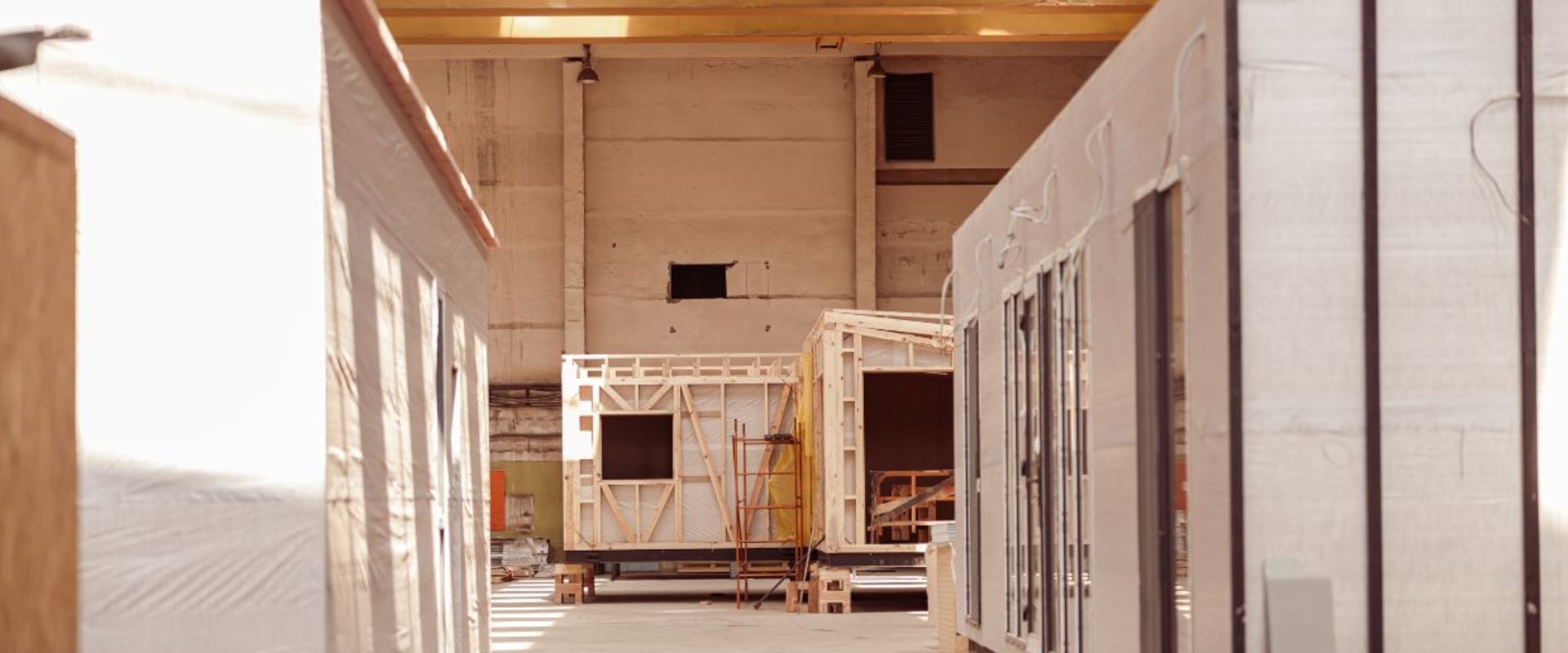
In the rapidly evolving world of home renovation, using modular construction techniques is becoming increasingly popular among homeowners and builders alike. These innovative methods not only streamline the construction process but also contribute significantly to eco-friendly practices, particularly in regions like Southern California, where sustainability is a growing concern. As we seek to minimize our environmental impact, understanding how these techniques work can empower you to make informed decisions for your next renovation project. Imagine transforming your living space with minimal waste and reduced construction time, all while enhancing the aesthetic appeal of your home. is becoming increasingly popular among homeowners and builders alike. These innovative methods not only streamline the construction process but also contribute significantly to eco-friendly practices, particularly in regions like Southern California, where sustainability is a growing concern. As we seek to minimize our environmental impact, understanding how these techniques work can empower you to make informed decisions for your next renovation project. Imagine transforming your living space with minimal waste and reduced construction time, all while enhancing the aesthetic appeal of your home.
Modular construction
offers precisely that—an approach that emphasizes efficiency, sustainability, and versatility.By prefabricating sections of your home in a controlled environment, this technique reduces on-site disruption and ensures a higher level of quality control. Whether you're considering an addition, a complete overhaul, or simply a refresh of your existing space, incorporating modular elements can lead to significant benefits. Moreover, as part of the broader initiative for waste reduction strategies during renovations, modular construction aligns perfectly with eco-friendly renovation practices. It allows for better resource management, minimizes excess materials, and ultimately leads to a smaller carbon footprint. In this article, we will delve deeper into the principles of modular construction techniques and explore how they can be effectively applied to your home renovation project. Join us as we uncover the potential of these transformative methods and inspire you to embrace a more sustainable approach to renovating your living space.
Using modular construction techniques
has become a transformative approach in the realm of home renovations, particularly in Southern California, where the demand for sustainable and efficient building practices is on the rise.This method involves the prefabrication of building components in a controlled environment, which are then transported to the site for assembly. The design process is highly collaborative, engaging architects, builders, and homeowners to create tailored solutions that fit both aesthetic desires and functional requirements. The materials used in modular construction can vary widely, from traditional wood framing to advanced composites and sustainable materials, allowing for a range of designs that can meet various environmental standards. The flexibility in material selection not only contributes to the overall sustainability of the project but also enhances its durability and aesthetic appeal.
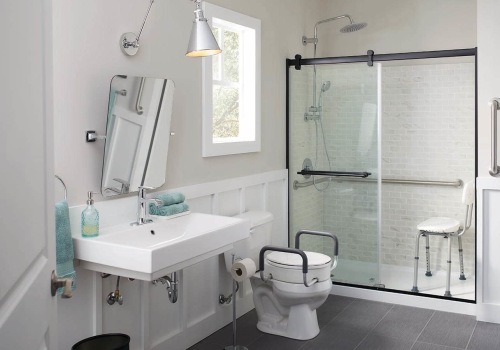
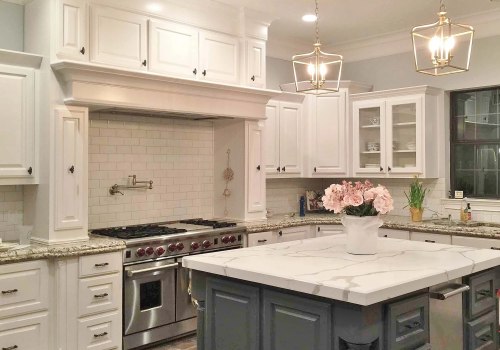
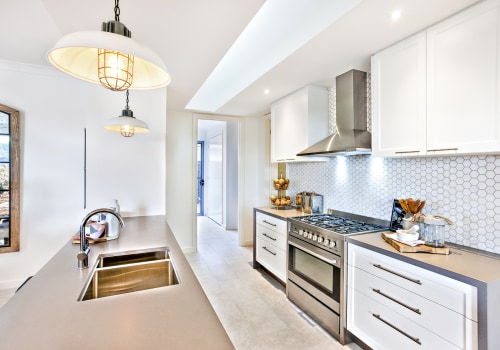
In Southern California, where climate and environmental considerations are paramount, choosing eco-friendly materials can significantly reduce the carbon footprint of renovations. One of the most exciting aspects of modular construction is its application in key areas of the home, such as kitchens and bathrooms. For kitchen remodels, modular components like pre-fabricated cabinets and countertops can be designed to fit specific layouts, maximizing space efficiency and minimizing waste. These modular units can be customized with various finishes, colors, and configurations to match personal style while ensuring high quality and durability. In bathroom renovations, modular shower units and vanities offer similar benefits, allowing homeowners to achieve a modern look without lengthy construction timelines. Successful examples of modular renovation projects in Southern California showcase the versatility and effectiveness of this approach.
For instance, a notable project in Los Angeles involved a full home renovation utilizing modular techniques, where sections of the home were constructed off-site, leading to a significant reduction in on-site waste and disruption. The homeowners reported not only faster completion times but also lower overall costs due to efficient use of materials and labor. Despite its advantages, there are common concerns surrounding modular construction, particularly regarding quality and aesthetics. Critics often question whether modular homes can match the quality of traditionally built homes. However, industry experts emphasize that modular components are built to rigorous standards and often undergo more stringent inspections than conventional building methods.
Furthermore, many architects specialize in creating visually stunning modular designs that stand out in any neighborhood, debunking the myth that modular homes lack character or appeal. To find local contractors experienced in modular techniques, homeowners can start by searching for builders who specialize in prefabricated construction or have experience with eco-friendly renovations. Online platforms often feature reviews and portfolios that can help gauge a contractor's suitability for specific projects. Additionally, it’s essential to verify that contractors are familiar with obtaining necessary permits for modular constructions, as regulations can vary by locality. In conclusion, using modular construction techniques offers a wealth of benefits for home renovations in Southern California. With its emphasis on sustainability, efficiency, and customization, this approach aligns perfectly with the growing trend of eco-friendly renovations.
By understanding the various aspects of modular construction and addressing common misconceptions, homeowners can make informed decisions that contribute positively to their living spaces and the environment.
Applications in Home Renovations
Modular construction techniques can be effectively applied in various areas of home renovations, offering both functional and aesthetic benefits. One of the most popular applications is in kitchens, where modular units can be pre-fabricated to include cabinetry, countertops, and essential appliances. This approach not only streamlines the renovation process but also minimizes waste by ensuring that all materials are utilized efficiently. Another key area is bathrooms, where modular construction allows for the creation of fully integrated bathroom pods. These pods can include everything from plumbing fixtures to tiling, all manufactured off-site and delivered ready for installation.This method significantly reduces on-site construction time and enhances the quality control of materials used. Additionally, living spaces such as additions or outdoor structures can benefit from modular techniques. By employing modular designs, homeowners can expand their living space quickly and sustainably, aligning with the growing trend towards eco-friendly renovations.
Finding Local Contractors
When embarking on a home renovation project utilizing modular construction techniques, finding the right local contractors is crucial for ensuring the success of your project. Southern California boasts a variety of skilled professionals who specialize in this innovative building method. Start your search by leveraging online resources. Websites like Houzz and Angie's List provide directories of contractors, complete with reviews and ratings from previous clients.This allows you to gauge their expertise and reliability in modular construction. Additionally, consider reaching out to local home improvement stores or lumber yards, as they often have connections with contractors specializing in modular construction. They can provide recommendations based on their knowledge of the local market and the contractors they frequently work with. Networking within community groups or forums focused on home renovations can also yield valuable leads. Engaging with individuals who have recently completed similar projects can give you insights into the best contractors for modular construction in your area. Don’t forget to check for proper licensing and insurance when selecting a contractor. Verify their credentials to ensure they are qualified to handle modular projects.
A reputable contractor will be more than willing to share this information with you. Finally, schedule consultations with potential contractors to discuss your vision for your renovation. This will give you an opportunity to assess their understanding of modular construction techniques and see if their approach aligns with your goals for sustainability and waste reduction.
Benefits of Modular Construction
Modular construction techniques offer several key advantages that can significantly enhance the renovation process for homeowners in Southern California. One of the most compelling benefits is speed. Traditional construction methods often involve lengthy timelines due to weather delays, on-site labor issues, and the need for extensive planning.In contrast, modular construction allows for components to be built off-site in a controlled environment, which can drastically reduce the overall time required for renovations. This means that homeowners can enjoy their newly renovated spaces much sooner. Another important advantage is cost-effectiveness. By streamlining the construction process and minimizing waste, modular techniques often lead to lower labor and material costs. The efficient production methods used in modular construction also help to keep budgets on track, making it an appealing option for those looking to renovate without breaking the bank. Furthermore, sustainability is a significant benefit of modular construction that aligns perfectly with the growing trend of eco-friendly renovations.
Modular buildings generate less waste during the construction phase as materials are cut and assembled in a factory setting, allowing for better resource management. Additionally, many modular components are designed with energy efficiency in mind, contributing to lower energy consumption and a reduced carbon footprint once the renovation is complete. In summary, the benefits of using modular construction techniques in home renovations include speed, cost-effectiveness, and enhanced sustainability. These advantages not only facilitate a smoother renovation experience but also support the broader goals of environmentally conscious building practices.
Sustainable Practices in Modular Construction
Modular construction is increasingly recognized as a significant player in the realm of eco-friendly renovation practices. This innovative approach to building emphasizes efficiency, sustainability, and minimal waste production.By constructing buildings in sections or modules off-site, the process reduces the amount of material that goes to waste during traditional on-site construction. One of the primary advantages of modular techniques is their potential for waste reduction. In a typical construction project, excess materials often end up in landfills. However, with modular construction, precise measurements and factory-controlled environments allow for better material management. Unused materials can be recycled or repurposed, significantly lowering the environmental impact. Furthermore, the speed of modular construction contributes to its sustainability.
Since modules are built simultaneously while site preparation occurs, the overall construction timeline is shortened. This efficiency not only saves time but also minimizes the disruption to the surrounding environment and reduces the carbon footprint associated with extended construction periods. The rise of eco-friendly renovations in Southern California aligns perfectly with the principles of modular construction. Homeowners seeking to renovate their spaces with minimal environmental impact can benefit from incorporating these techniques into their projects. As energy efficiency becomes a priority, modular homes can be designed to incorporate sustainable features such as solar panels and energy-efficient appliances. In conclusion, adopting modular construction methods supports a broader movement towards sustainable living and construction practices.
By embracing these techniques, homeowners can contribute to waste reduction strategies, enhance energy efficiency, and ultimately create a positive impact on the environment while achieving their renovation goals.
Navigating Permits and Regulations
When embarking on a home renovation project using modular construction techniques in California, understanding the permitting process is crucial. The state has specific regulations that govern modular construction, and navigating these requirements can seem daunting at first. However, with the right approach, you can simplify the process and ensure compliance. The first step is to determine whether your project requires a building permit. In California, most significant renovations will require a permit, especially if they involve structural changes or additions.You can check with your local building department to understand the specific requirements for your area. Once you confirm that a permit is needed, gather all necessary documentation. This typically includes detailed plans of the proposed construction, specifications of the modular components, and any relevant environmental assessments. Working with a licensed architect or contractor familiar with modular construction can help streamline this phase. Next, submit your application along with the required documents to your local building authority. Keep in mind that modular projects may also need to comply with state-level regulations, such as those set by the California Department of Housing and Community Development (HCD).One tip to simplify the permitting process is to engage in early communication with your local officials.
Schedule a pre-application meeting to discuss your project and ask any questions you may have. This proactive approach can help clarify any potential issues before you submit your application. Additionally, be prepared for inspections at various stages of construction. Modular homes may have unique inspection requirements due to their assembly process. Ensuring compliance with these inspections is essential for final approval. Lastly, consider exploring resources provided by industry associations or local government websites.
Many offer guides and checklists specifically tailored for modular construction projects, which can be invaluable in helping you navigate the regulatory landscape. In conclusion, modular construction techniques present a compelling option for homeowners looking to renovate in a sustainable manner. By embracing these methods, you can significantly reduce waste, expedite the construction process, and enhance the overall sustainability of your home renovation project. The alignment of modular construction with eco-friendly practices makes it an ideal choice for those in Southern California who are increasingly conscious of their environmental impact. We encourage you to explore the potential of modular construction for your renovation needs. Take the time to research and connect with local contractors who specialize in these innovative techniques.
By doing so, you will not only contribute to a greener future but also enjoy the many benefits that come with this modern approach to home renovations.