- Interior Design Tips for Renovated Homes
- Furniture Selection and Arrangement Tips
- Finding the right size furniture for your space
Choosing the Perfect Furniture Size for Your Home
Discover how to select the right size furniture for your renovated spaces in Southern California, ensuring a perfect fit for aesthetics and functionality.
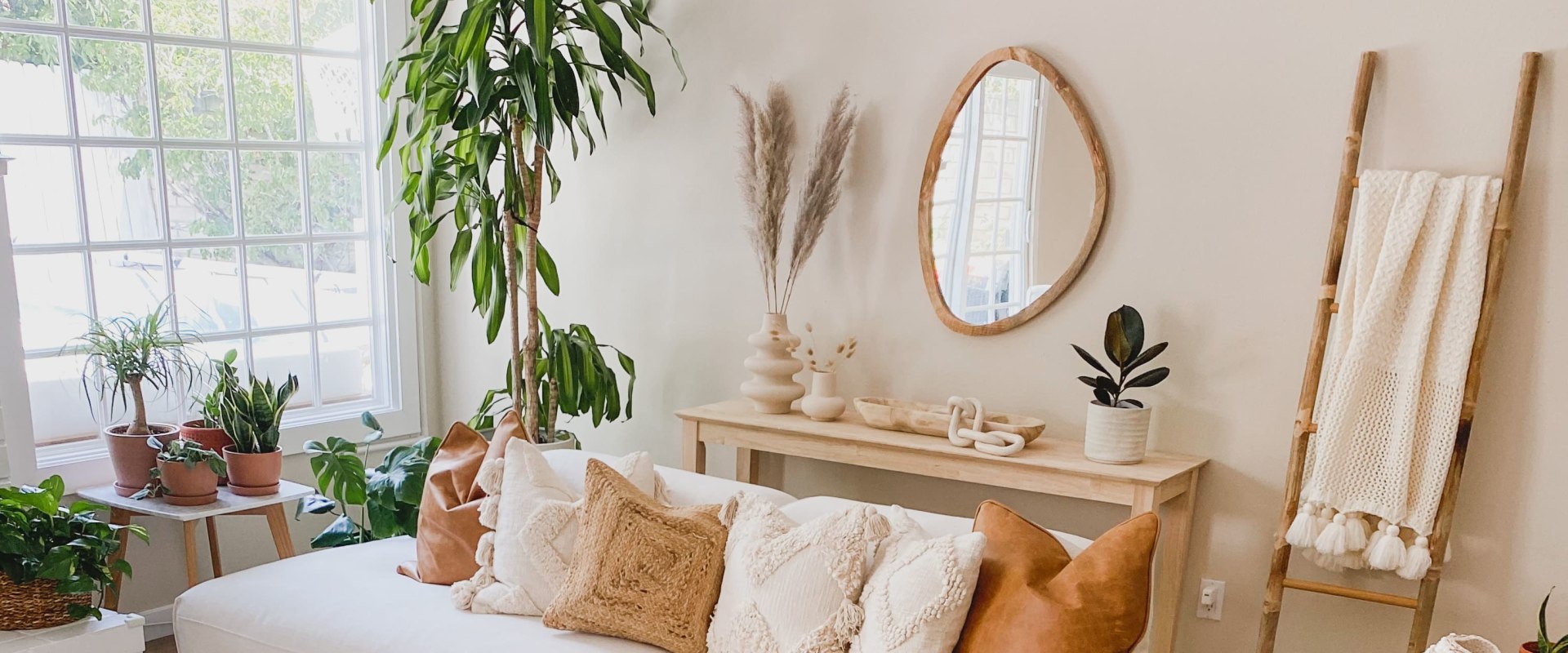
When it comes to creating a warm and inviting atmosphere in your home, choosing the perfect furniture size is a crucial step that should not be overlooked. A well-furnished space can transform the overall feel of your interior, making it both functional and aesthetically pleasing. However, many homeowners often struggle with selecting pieces that fit harmoniously within their rooms. Have you ever walked into a space that felt cramped or, conversely, too sparse? This dilemma often stems from misjudging the dimensions of furniture relative to the available area. In this article, we will guide you through the essential considerations for finding the right size furniture for your space.
From understanding the scale and proportion to exploring clever arrangement techniques, we will provide you with practical tips to help you make informed decisions. Whether you're working with a cozy apartment or a spacious home, understanding how to balance your furniture choices can lead to enhanced comfort and style. Join us as we delve into the world of furniture selection and arrangement, ensuring that your renovated home feels both functional and beautiful. Let's embark on this journey to discover how the right furniture size can elevate your living spaces!When it comes to From understanding the scale and proportion to exploring clever arrangement techniques, we will provide you with practical tips to help you make informed decisions. Whether you're working with a cozy apartment or a spacious home, understanding how to balance your furniture choices can lead to enhanced comfort and style. Join us as we delve into the world of furniture selection and arrangement, ensuring that your renovated home feels both functional and beautiful. Let's embark on this journey to discover how the right furniture size can elevate your living spaces!When it comes to choosing the perfect furniture size for your home, especially in newly renovated spaces, understanding the significance of appropriately sized furniture is crucial. Selecting the right pieces can enhance both the aesthetic appeal and functionality of a room, ultimately making it feel more inviting and practical.
However, many homeowners face common challenges during renovations, particularly in regions like Southern California, where limited space or unique layouts can complicate furniture selection. One of the first steps in this process is accurately However, many homeowners face common challenges during renovations, particularly in regions like Southern California, where limited space or unique layouts can complicate furniture selection. One of the first steps in this process is accurately measuring your space. Begin by taking precise measurements of the room, noting the dimensions of walls, doorways, and any architectural features such as windows or built-ins. This data is essential for ensuring that the furniture you choose will fit comfortably without overwhelming the space. For example, in a small living room, opting for a sectional sofa may not be ideal if it obstructs pathways or makes the area feel cramped.
Instead, consider a love seat paired with accent chairs to create a cozy yet open atmosphere. Additionally, it is vital to consider the scale of existing architectural features. A room with high ceilings may benefit from taller furniture pieces like bookshelves or tall lamps to draw the eye upward and create a sense of balance. Conversely, in rooms with lower ceilings, avoid bulky furnishings that could make the space feel even more confined. For instance, an open-concept kitchen might feature sleek bar stools that complement an island without crowding it, enhancing both style and usability. Understanding the flow of movement within a room is another critical factor when choosing furniture sizes.
Ensure there is enough space for people to move around comfortably without bumping into furniture pieces. A good rule of thumb is to leave at least 18 inches of walking space between furniture items to maintain an unobstructed pathway. In an open-concept living area, for example, arrange seating to encourage conversation while allowing easy access to other areas of the home. Proportion plays a significant role in furniture selection; larger pieces can easily overwhelm a small room, while smaller items may get lost in expansive spaces. In a compact den, a large coffee table might dominate the area and hinder movement.
Instead, opt for a round table with a smaller footprint that encourages flow and interaction. On the other hand, in a spacious family room, a single oversized armchair can serve as a striking focal point without feeling out of place. To help visualize how different furniture sizes will work within your space, consider utilizing tools like floor planners or mock-ups. These resources allow you to experiment with various layouts before making any purchases. You can create scaled drawings on graph paper or use digital design software to arrange furniture virtually.
This visual approach helps identify potential issues with size and proportion before committing to any piece. It's also essential to acknowledge that differing opinions exist when it comes to prioritizing style versus function. Some may argue that aesthetic appeal should take precedence over practicality; however, balancing both aspects is vital for achieving a harmonious design. For instance, while a beautifully designed coffee table may be visually appealing, if its size obstructs movement or limits usability, it may not be the best choice for your space. Ultimately, finding the right size furniture for your home requires thoughtful consideration of various factors including accurate measurements, architectural scale, movement flow, and proportion. By keeping these principles in mind and utilizing visualization tools effectively, you can make informed decisions that enhance both the beauty and functionality of your newly renovated spaces.
Understanding Scale and Proportion
When it comes to finding the right size furniture for your space, understanding scale and proportion is essential.Scale refers to the size of furniture in relation to the overall size of the room, while proportion is about how the pieces relate to each other within that space. To achieve a harmonious look, it's vital to match the furniture size with both the room dimensions and existing features such as windows, doors, and architectural details. Start by measuring the room carefully. Consider the height, width, and length of the space. Once you have those dimensions, visualize how different pieces will fit.
For instance, a large sectional couch may overpower a small living room, making it feel cramped and uninviting. Instead, opt for a loveseat or a set of smaller chairs that provide comfort without overwhelming the area. Additionally, take note of existing features in the room. If there are tall ceilings, you might consider taller furniture pieces or vertical storage solutions that draw the eye upward and enhance the sense of space. Conversely, in rooms with low ceilings, stick to lower-profile furniture to avoid making the room feel even smaller. Another tip is to maintain a consistent style throughout your furniture selections.
Mixing too many different styles or sizes can create visual chaos. Aim for a balanced arrangement where larger pieces anchor the room while smaller items add interest without cluttering the space. Ultimately, achieving a cohesive look involves careful consideration of both scale and proportion when selecting your furniture. By keeping these principles in mind, you can create an inviting and functional environment that complements your newly renovated home.
Tips for Different Room Types
When it comes to finding the right size furniture for your space, each room in your home presents unique challenges and opportunities. Understanding the specific needs of different areas will guide you in making informed decisions that enhance both functionality and aesthetics.Living Rooms:
In the living room, focus on scale and proportion.A large sectional can create a cozy gathering spot, but be wary of overcrowding the space. Aim for a balance between seating and open space to allow movement. Consider multi-functional furniture, such as ottomans that double as storage, to maximize utility without sacrificing style.
Bedrooms:
In bedrooms, prioritize comfort alongside size. A bed should be the focal point, but ensure there is enough space to navigate around it.Nightstands should be proportionate to the bed size—too tall or bulky can disrupt the flow. If space is limited, consider wall-mounted shelves or floating nightstands to create an airy feel.
Kitchens:
For kitchens, the layout is crucial. Ensure your dining table fits comfortably within the area without obstructing walkways or counters. Round tables can be excellent for smaller spaces as they promote easier movement.Additionally, look for chairs that can be tucked away when not in use to maintain an uncluttered look.
Outdoor Areas:
Outdoor furniture should complement your indoor choices while considering durability against the elements. Choose appropriately sized pieces that fit your outdoor space without overwhelming it. Modular seating can be a great choice for patios, allowing you to rearrange as needed for gatherings or relaxation. By keeping these tips in mind for each room type, you can effectively select furniture that not only fits but enhances your newly renovated spaces.Visualizing Furniture Arrangement
When it comes to finding the right size furniture for your space, visualizing how different pieces will fit into your newly renovated home is crucial. This step not only helps in making informed purchasing decisions but also ensures that your space feels cohesive and functional.One effective way to visualize furniture arrangement is by using room design software or mobile apps. These tools allow you to create a digital representation of your room, where you can experiment with various layouts and furniture sizes. Many programs come equipped with features that let you input your room dimensions, helping you see how different pieces will interact within the space. Another technique involves creating a scale model of your room and using cutouts of your desired furniture. You can use cardboard or paper to represent each piece, adjusting their placement without the commitment of actual purchases.
This hands-on approach can be particularly beneficial for visual learners, allowing them to grasp spatial relationships effectively. Additionally, consider utilizing online visualization tools offered by many furniture retailers. These platforms often allow you to upload a photo of your space and virtually place furniture items within it. Such interactive experiences can provide a clearer perspective on how different styles and sizes will complement your home. Lastly, don't underestimate the power of tape measures. By marking out the dimensions of potential furniture on your floor with painter's tape, you can get a physical sense of how much space each piece will occupy.
This method is particularly useful in highlighting traffic patterns and ensuring that you leave enough room for movement. By employing these tools and techniques for visualizing your furniture arrangement, you can confidently select pieces that enhance both the aesthetic and functionality of your newly renovated space.
Measuring Your Space Accurately
When it comes to finding the right size furniture for your space, accurate measurements are essential. Without precise dimensions, it can be easy to choose pieces that either overwhelm your room or leave it feeling empty and uninviting. Here are the steps to take precise measurements of your rooms:1.Gather Your Tools: To start, you will need a measuring tape, a notepad, and possibly a laser measurement tool for larger areas. Having a friend assist you can also make the process smoother.2.Measure the Length and Width:
Begin by measuring the length and width of each room where you plan to place furniture.Measure from wall to wall, ensuring you account for any recesses or protrusions.
3.Account for Doorways and Windows:
Note the locations and sizes of doorways and windows as these elements affect furniture placement. Make sure to measure the height of windowsills and the distance from the floor to the top of windows; this will help you avoid blocking natural light.4.Consider Architectural Elements:
Pay attention to any architectural features such as columns, fireplaces, or built-in shelves that might influence your furniture arrangement. Measure their dimensions and positions so you can incorporate them into your design.5.Create a Floor Plan:
Once you have all your measurements, sketch a simple floor plan on paper or use an online room planner tool. This will allow you to visualize how different furniture sizes will fit within the space.6.Leave Room for Movement:
When arranging your furniture on the floor plan, ensure that you leave enough space for movement around the room.A good rule of thumb is to maintain at least 24 inches of walking space between pieces.
7.Recheck Your Measurements:
Before purchasing any furniture, double-check all your measurements. This step is crucial as it helps avoid costly mistakes and ensures everything fits perfectly in your renovated space. By following these steps, you can confidently measure your space and choose appropriately sized furniture that enhances both the aesthetic appeal and functionality of your home. In conclusion, selecting furniture that fits well within your newly renovated space is crucial for achieving both functionality and aesthetic appeal. Thoughtful furniture selection can transform a house into a home, creating an environment that is not only beautiful but also practical. Remember to take your time when making decisions about the sizes of your furniture, as the right choices can greatly enhance your living experience.If you find yourself unsure about your selections, don’t hesitate to consult with interior designers or local contractors who can provide valuable insights tailored to your unique space.