- Home Renovation Ideas in Southern California
- Energy-Efficient Renovations
- Insulation upgrades
Enhancing Comfort and Efficiency: Insulation Upgrades for Your Home
Explore insulation upgrade options to improve energy efficiency and comfort in your Southern California home. Find local contractors and sustainable renovation tips.
In the sun-drenched landscapes of Southern California, homeowners are constantly seeking ways to enhance their living spaces, not only for aesthetic appeal but also for energy efficiency. One of the most effective yet often overlooked strategies is investing in insulation upgrades. Many people associate insulation solely with winter warmth, but its benefits stretch far beyond that season. Proper insulation can keep your home cool during scorching summer months and reduce your energy bills throughout the year, much like the Power of Virtual Volunteering in Southern California helps communities thrive. Imagine stepping into your home after a long day under the blazing sun, greeted by a refreshing coolness that doesn’t break the bank. . Many people associate insulation solely with winter warmth, but its benefits stretch far beyond that season. Proper insulation can keep your home cool during scorching summer months and reduce your energy bills throughout the year, much like the Power of Virtual Volunteering in Southern California helps communities thrive. Imagine stepping into your home after a long day under the blazing sun, greeted by a refreshing coolness that doesn’t break the bank.
This comfort can be achieved through thoughtful insulation upgrades, which create a barrier against external temperatures while enhancing indoor air quality. Whether you are renovating an older home or building a new one, understanding the significance of insulation is paramount. In this article, we will delve into the various aspects of insulation upgrades that can transform your home into a sanctuary of comfort and efficiency. We’ll explore the different types of insulation materials available, the benefits of upgrading your existing insulation, and practical tips on how to choose the right solutions tailored to your needs. By the end, you'll be equipped with valuable insights to make informed decisions about your home renovation journey. Upgrading your home’s insulation is an essential step toward enhancing comfort and energy efficiency, particularly in the diverse climates of Southern California.
The region experiences significant temperature fluctuations, making proper insulation critical for maintaining a comfortable living environment while reducing energy costs. With rising energy prices and an increasing emphasis on environmental responsibility, insulation upgrades have become a smart investment for homeowners. There are several types of insulation available, each with unique benefits.
Fiberglass insulation
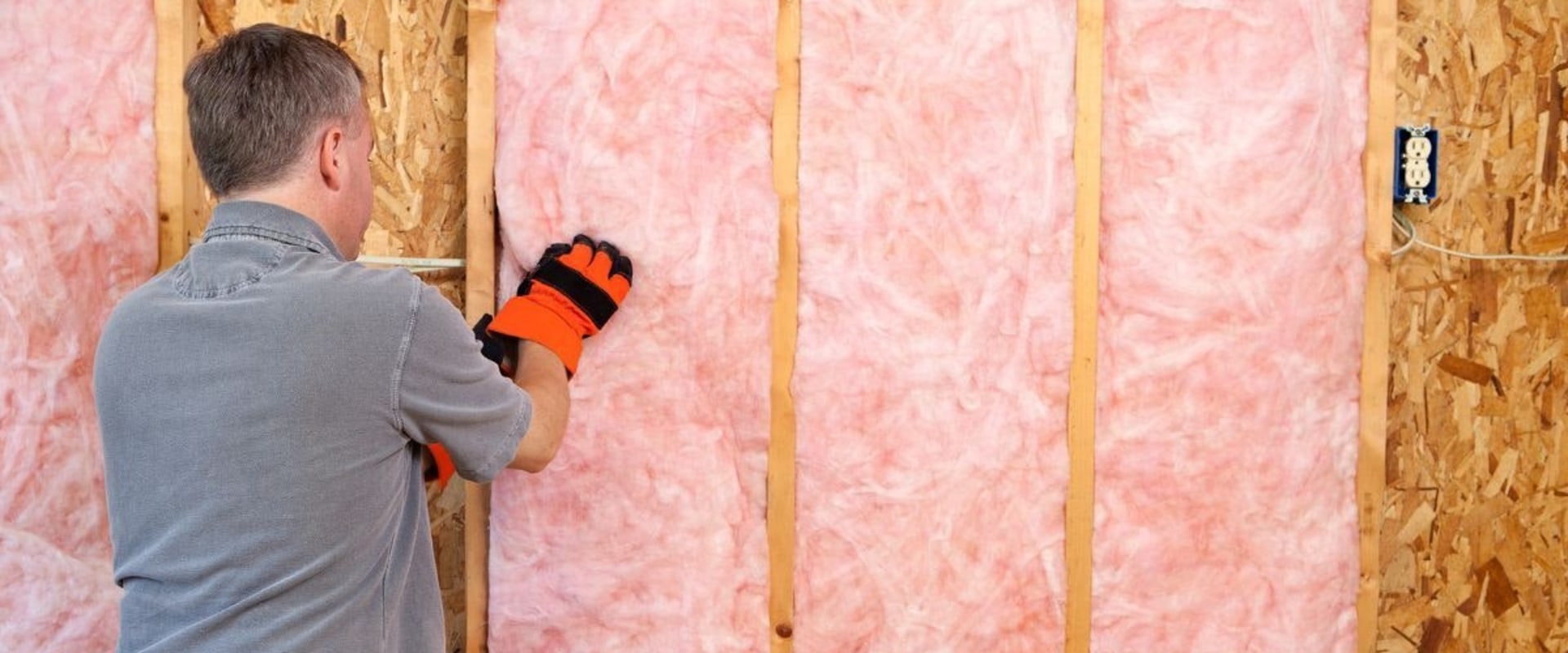
is one of the most common choices due to its affordability and effectiveness in reducing heat transfer. It comes in batts or rolls, making it easy to install in various areas of the home, including attics and walls.Another option is foam insulation, which provides superior thermal resistance and air sealing capabilities. It can be sprayed into hard-to-reach areas, ensuring a tight fit that minimizes air leaks.
Cellulose insulation
, made from recycled paper products, is an eco-friendly option that offers excellent thermal performance and soundproofing qualities. It is particularly effective in attics and wall cavities, where it can be blown in to fill gaps. To determine whether your home needs an insulation upgrade, start by assessing current insulation levels.Look for signs such as drafts around windows and doors, fluctuating indoor temperatures, or excessively high energy bills. A thorough inspection of the attic, basement, and crawl spaces can reveal gaps or insufficient insulation that may require attention. Homeowners may also consider conducting a professional energy audit to identify specific areas needing improvement. There are numerous successful examples of insulation upgrade projects throughout Southern California. Local contractors have helped homeowners achieve significant energy savings through strategic upgrades.
For instance, a homeowner in Los Angeles upgraded their attic insulation from fiberglass batts to spray foam, resulting in a noticeable reduction in both heating and cooling costs. Contractors like Green Energy Solutions and EcoHome Improvement specialize in providing tailored solutions for energy-efficient renovations, ensuring that homeowners receive expert guidance throughout the upgrade process. When planning an For instance, a homeowner in Los Angeles upgraded their attic insulation from fiberglass batts to spray foam, resulting in a noticeable reduction in both heating and cooling costs. Contractors like Green Energy Solutions and EcoHome Improvement specialize in providing tailored solutions for energy-efficient renovations, ensuring that homeowners receive expert guidance throughout the upgrade process. When planning an insulation upgrade, it is essential to check with local authorities about obtaining necessary permits. Depending on the scope of the project and local regulations, permits may be required to ensure compliance with building codes. Engaging a licensed contractor who understands these requirements can streamline the process and avoid potential setbacks. Homeowners looking to pursue sustainable options should consider reflective insulation or materials made from recycled content.
Reflective insulation works by reflecting radiant heat away from living spaces, making it particularly beneficial in warmer climates like Southern California. Furthermore, using recycled materials for insulation not only reduces waste but also contributes to a smaller carbon footprint. Despite common concerns regarding the cost of insulation upgrades, it is important to weigh these expenses against long-term savings on energy bills. Many homeowners initially hesitate due to the upfront investment required for high-quality insulation materials and professional installation. However, the potential for significant savings on utility bills can offset these initial costs over time.
Additionally, many local utility companies offer rebates or incentives for energy-efficient upgrades, further reducing financial barriers. In conclusion, upgrading your home's insulation is a proactive step toward enhancing comfort and efficiency while contributing to environmental sustainability. With various options available and numerous local experts ready to assist, Southern California homeowners have ample opportunities to improve their living spaces through well-planned insulation upgrades.
Evaluating Your Home's Insulation Needs
Assessing your home’s insulation is a crucial step in determining whether an upgrade is necessary. Start by checking the attic insulation, as this is often where heat loss occurs. Look for signs of insufficient insulation, such as visible rafters or joists, which indicate that the insulation is not thick enough to provide adequate coverage. Next, evaluate the walls of your home.If you notice drafts or fluctuating temperatures between rooms, it may be a sign that your wall insulation is lacking. You can check this by removing outlet covers and using a flashlight to see if there is insulation present within the wall cavity. Another area to inspect is the basement or crawl space. Insufficient insulation in these areas can lead to heat loss and increased energy costs. Look for any exposed pipes or areas where cold air may enter, as these are indicators that insulation may be needed. Finally, consider the age of your home and its existing insulation materials.
Many homes built before the 1980s may have outdated insulation that does not meet current energy efficiency standards. If your insulation is made from materials like fiberglass batt or cellulose that have settled over time, an upgrade could significantly improve your home’s energy efficiency. In conclusion, by thoroughly evaluating these key areas of your home, you can determine whether an insulation upgrade is necessary to enhance comfort and reduce energy costs.
Finding Local Contractors for Insulation Upgrades
When considering insulation upgrades for your home, finding a reputable contractor is crucial to ensure quality work and effective results. Here are some effective strategies to locate skilled professionals in Southern California. Start by asking friends, family, or neighbors for recommendations. Personal referrals can provide insight into the contractor's reliability and quality of work.Additionally, check online platforms such as Yelp or Angie's List, where you can read reviews from previous customers to gauge the contractor's reputation. Another valuable resource is the Better Business Bureau (BBB). The BBB provides ratings and reviews for contractors, helping you identify trustworthy professionals in your area. Look for contractors who have been accredited by the BBB, as this indicates a commitment to resolving customer complaints and maintaining high standards. Local building supply stores often have connections with contractors who specialize in insulation upgrades. Visit these stores and ask for recommendations; they can often point you towards reputable professionals who have experience with various insulation materials and techniques. Furthermore, consider checking professional associations like the Insulation Contractors Association of America (ICAA).
Membership in such organizations often signifies that the contractor adheres to industry standards and best practices. Lastly, don't hesitate to interview potential contractors. Ask about their experience with insulation upgrades, request references from past clients, and inquire about their licensing and insurance. This will help you make an informed decision and ensure your home receives the best possible service.
Understanding Different Types of Insulation
When considering insulation upgrades, it is essential to understand the various materials available and their effectiveness in different areas of the home. Insulation plays a critical role in enhancing energy efficiency and maintaining comfort levels, especially in the diverse climates of Southern California. One of the most commonly used materials is fiberglass insulation, which is available in batts or rolls.It is known for its affordability and effectiveness in attics, walls, and floors. Fiberglass insulation has a high R-value, which indicates its resistance to heat flow, making it an excellent choice for regulating indoor temperatures. Another popular option is foam board insulation. This rigid insulation material is effective in exterior walls, foundations, and basements. Foam board has a high insulating value for relatively little thickness, making it ideal for spaces where adding bulk is not feasible.
Spray foam insulation
has gained popularity due to its versatility and superior air-sealing properties.It expands to fill gaps and cracks, providing an airtight seal that significantly reduces air leakage. This type of insulation is particularly effective in hard-to-reach areas such as crawl spaces and attics.
Cellulose insulation
, made from recycled paper products, is another eco-friendly option. It is treated for fire resistance and works well in walls and attics, providing good thermal performance while also being soundproofing material. Lastly, mineral wool insulation, also known as rock wool, offers excellent fire resistance and soundproofing qualities. It can be used in various applications, including walls and roofs, making it a versatile choice for many homeowners. Each type of insulation comes with its unique benefits and drawbacks, and choosing the right one depends on the specific needs of your home and the areas you are looking to upgrade.Understanding these materials can help you make informed decisions that enhance comfort while improving energy efficiency.
Sustainable Insulation Options
When considering insulation upgrades, it is essential to explore eco-friendly materials that not only enhance energy efficiency but also contribute to a healthier environment. Homeowners in Southern California can choose from a variety of sustainable insulation options that align with their renovation goals. One popular choice is cellulose insulation, made from recycled paper products. This type of insulation is treated with fire-retardant chemicals and is an excellent option for those looking to minimize their carbon footprint while achieving superior thermal performance. Cellulose is biodegradable and can significantly reduce energy costs over time. Another great alternative is sheep's wool insulation.This natural material is not only renewable but also highly effective at regulating temperature and moisture levels in the home. Sheep's wool can absorb humidity, which helps to maintain indoor air quality, making it an ideal choice for the diverse climate conditions in Southern California.
Hemp insulation
is also gaining popularity due to its low environmental impact and superior insulating properties. Hemp grows quickly and requires minimal resources, making it a sustainable crop. This material is naturally resistant to pests and mold, adding to its appeal for homeowners seeking long-lasting insulation solutions. For those looking for a more modern approach, spray foam insulation made from plant-based materials is an innovative option.This type of insulation expands upon application, creating an airtight seal that effectively prevents drafts and energy loss. Plant-based spray foam is free from harmful chemicals, making it a safe choice for families and the planet. Finally, consider reclaimed denim insulation, which utilizes recycled cotton from denim garments. This eco-friendly option provides excellent thermal performance and soundproofing capabilities while being entirely safe for indoor use. By opting for these sustainable insulation upgrades, homeowners can not only improve their home's energy efficiency but also contribute positively to the environment, helping to combat rising energy costs and reduce their overall carbon footprint.
Permits and Regulations for Insulation Projects
Before embarking on insulation upgrades, homeowners in Southern California should familiarize themselves with the local permitting process. This ensures compliance with building codes and regulations, which can vary by city and county.Generally, insulation projects that alter the structure of a home or involve significant changes will require a permit. For example, if you are removing old insulation or adding new insulation to walls or attics, it’s essential to check with your local building department. Homeowners should start by visiting their city’s official website or contacting the local building department directly. They can provide guidance on whether a permit is necessary for your specific project. In many cases, a simple insulation upgrade may not require a permit, but it's always better to verify before proceeding. In addition to permits, homeowners should also be aware of any regulations that govern the type of materials used for insulation upgrades.
Certain materials may be restricted due to environmental concerns or fire safety codes. This is particularly relevant in regions prone to wildfires, where fire-resistant insulation materials may be mandated. Once you understand the requirements, it’s vital to prepare all necessary documentation for your permit application. This may include detailed plans of the work being done, specifications of the materials being used, and sometimes even energy efficiency calculations. The permitting process can take time, so it’s advisable to factor this into your project timeline. Finally, consider consulting with a licensed contractor who has experience with insulation upgrades.
They can help navigate the permitting process and ensure that your project meets all local regulations, ultimately leading to a smoother renovation experience.
Evaluating Your Home's Insulation Needs
Understanding the insulation in your home is crucial for maintaining energy efficiency and comfort. To evaluate your home's current insulation, start by inspecting the areas where insulation is typically found, such as attics, basements, and exterior walls. Check for visible signs of wear or damage, such as moisture or gaps that could indicate insufficient insulation.Next, consider the type of insulation material used in your home. Common types include fiberglass, foam board, and spray foam.Each type has different R-values, which measure thermal resistance. Research the R-value recommendations for your specific region in Southern California to determine if your current insulation meets those standards. Additionally, pay attention to your home's energy bills. If you've noticed a significant increase in heating and cooling costs, it may be a sign that your insulation is no longer performing effectively. Conducting a home energy audit can also provide valuable insights into your home's thermal performance and highlight areas where insulation upgrades may be necessary. Lastly, consider the age of your home.
Older homes often have outdated or insufficient insulation, which can lead to energy inefficiencies. If your home was built several decades ago and has never undergone an insulation upgrade, it's wise to assess its current condition and explore options for improvement.
Evaluating Your Home's Insulation Needs
Before embarking on insulation upgrades, it's crucial for homeowners to evaluate their current insulation to determine if an upgrade is necessary. This process involves a few key steps to ensure that your home is both comfortable and energy-efficient. First, start by identifying the areas of your home that are typically insulated. Common locations include the attic, walls, floors, and basements.Each of these areas plays a significant role in maintaining your home's temperature and overall energy efficiency. Next, conduct a visual inspection of your existing insulation. Look for signs of wear and tear, such as sagging, compression, or moisture damage. If you notice any of these issues, it may indicate that your insulation is no longer performing effectively and could benefit from an upgrade. You can also assess the type of insulation currently installed in your home. Different materials offer varying levels of effectiveness.
For example, fiberglass batts are common but may not provide the same thermal resistance as spray foam insulation. Understanding what type you have will help in deciding whether an upgrade is warranted. Another important factor to consider is the age of your insulation. If your home was built several decades ago, it’s likely that the insulation does not meet current energy efficiency standards. Upgrading to modern materials can significantly enhance your home’s energy performance. Additionally, homeowners should take note of their energy bills.
A sudden increase in heating or cooling costs may be a sign that your insulation is underperforming. Compare your bills seasonally to identify any patterns that could suggest insulation issues. If you're still unsure about the effectiveness of your insulation, consider hiring a professional energy auditor. These experts can perform thorough assessments using specialized tools like thermal imaging cameras to identify areas of heat loss and recommend appropriate upgrades. In conclusion, evaluating your home’s insulation needs involves a combination of visual inspections, understanding the materials used, and assessing energy costs. By taking these steps, you can make informed decisions about whether it's time for insulation upgrades in your home. Upgrading your home's insulation is not just an investment in comfort; it is a crucial step towards achieving energy efficiency and promoting sustainability.
By enhancing your insulation, you can significantly reduce energy consumption, leading to lower utility bills while also minimizing your environmental impact. In the diverse climates of Southern California, effective insulation helps maintain a consistent indoor temperature, making your home more comfortable year-round. As energy costs continue to rise, the benefits of upgrading your insulation become even more compelling. It not only contributes to a healthier environment but also enhances the overall value of your property. We encourage you to take action now by consulting with local contractors who can guide you through the options available for your specific needs.
Explore sustainable insulation choices that align with your renovation goals and help you create a more efficient and eco-friendly home.