- Bathroom Remodels: Inspiration and Planning
- Planning Your Bathroom Layouts
- Shower vs. bathtub considerations
Shower vs. Bathtub: Choosing the Right Fit for Your Bathroom
Explore essential considerations for choosing between a shower and a bathtub in your Southern California bathroom remodel. Get tips on design, functionality, and sustainable options.
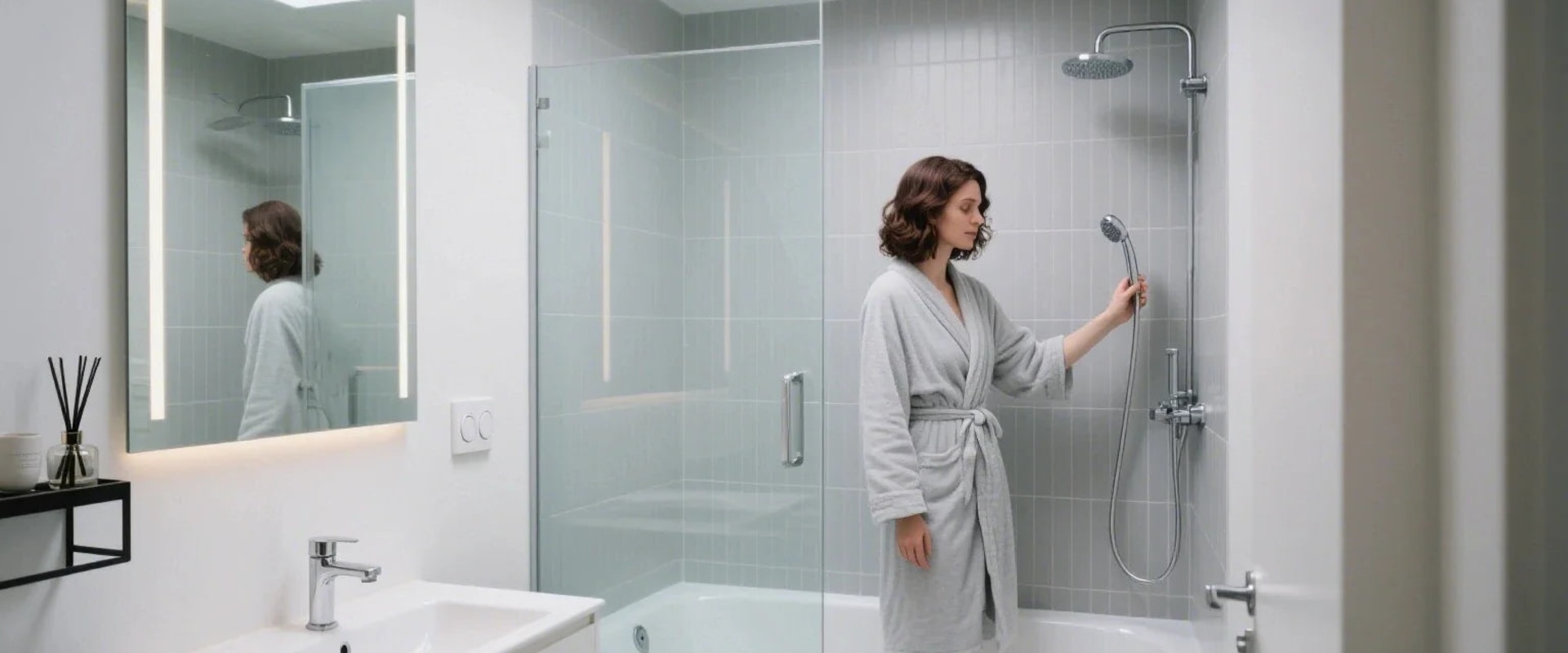
When it comes to designing your dream bathroom, one of the most critical decisions you'll face is the choice between a shower and a bathtub. Both options offer unique benefits and can dramatically alter the look and feel of your space, but how do you determine which is the right fit for your needs? In this article, we will explore the Shower vs. Bathtub considerations that every homeowner should take into account during their remodel journey. From functionality and space constraints to personal preferences and lifestyle habits, choosing between a shower and a bathtub is more than just a matter of aesthetics. Showers provide a quick and efficient way to cleanse, making them ideal for busy mornings, while bathtubs offer a luxurious retreat for relaxation after a long day.
But is it possible to have the best of both worlds?Join us as we delve into various factors such as space utilization, family needs, resale value, and overall bathroom design. Whether you're planning a complete overhaul or simply updating your fixtures, understanding the nuances of each option will empower you to make an informed decision that enhances your bathroom's functionality and appeal. Let’s dive deeper into the considerations that will help you choose the right fit for your bathroom. When considering a shower vs. bathtub decision, several factors come into play that can significantly influence the final choice.
One of the primary considerations is space constraints. In many Southern California homes, bathrooms can be relatively small, making it crucial to evaluate how much room is available for either option. For instance, a compact bathroom may not have the luxury of fitting both a shower and a bathtub comfortably. In such cases, homeowners might lean towards a sleek, modern shower to maximize floor space while still enjoying a stylish and functional area. Another important aspect to consider is budget.
The costs associated with installation and maintenance vary widely between showers and bathtubs. A simple shower setup can often be more affordable than a luxurious freestanding tub. However, if a homeowner has a larger budget and desires an upscale look, investing in a high-end bathtub could add significant value to their home. It's essential to weigh the initial costs against potential long-term benefits when making this decision. Lifestyle preferences also play a critical role in the shower vs.
bathtub debate. Families with young children often find that a bathtub is indispensable for bath time routines. It provides a safe environment for kids to enjoy their baths, complete with toys and bubbles. On the other hand, singles or couples may prioritize convenience, especially if they lead busy lives.
A quick morning shower can save valuable time compared to filling up a bathtub. Additionally, those who enjoy spa-like experiences might opt for a luxurious shower with multiple jets and rainfall features, enhancing their daily routine. Resale value is another factor that shouldn't be overlooked. While both showers and bathtubs can appeal to potential buyers, local trends can significantly sway preferences. In Southern California, there has been an increasing trend toward spa-like showers that offer relaxation and luxury.
Buyers in this region often seek modern amenities that provide a retreat experience within their own homes. Conversely, homes with ample space might still benefit from the presence of an elegant freestanding bathtub, which has become a hallmark of upscale bathroom designs. It's not uncommon for disagreements to arise within households regarding the choice between a shower and a bathtub. For example, one partner may prioritize aesthetics and relaxation offered by a bathtub, while the other values the practicality and speed of a shower. Seeking input from local contractors or designers can provide clarity and expertise in navigating these discussions.
Many professionals emphasize the importance of balancing personal preferences with practicalities; for instance, they might suggest installing a shower-tub combo as a compromise that caters to diverse needs. In conclusion, the decision between a shower vs. bathtub is multifaceted, influenced by various factors such as space constraints, budget considerations, lifestyle preferences, and potential resale value. By carefully evaluating these aspects along with local trends and individual family dynamics, homeowners in Southern California can make an informed choice that best suits their unique circumstances.
Lifestyle Needs
When considering Shower vs. Bathtub options, it is essential to examine how various lifestyles influence this decision.For busy professionals, a quick morning routine is often paramount. In such cases, a shower may be the ideal choice, allowing for efficient time management without sacrificing the luxury of cleanliness. Showers can be designed to offer a spa-like experience with features such as rainfall showerheads and built-in seating, making them both functional and indulgent. On the other hand, families with young children might prioritize having a bathtub. Bathing little ones can be a soothing ritual that not only serves practical purposes but also fosters bonding moments.
Additionally, a bathtub provides versatility for relaxation after a long day, making it a valuable asset for family homes. In this scenario, incorporating a combination of both a shower and a bathtub could serve the diverse needs of all household members. Ultimately, understanding how your lifestyle influences your bathroom choices will help you make an informed decision that best suits your needs.
Working with Contractors
When embarking on a bathroom renovation, particularly when deciding between a When embarking on a bathroom renovation, particularly when deciding between a shower and a bathtub, finding the right contractor is crucial. A reputable local contractor can guide you through the process, offering insights tailored to your specific needs and preferences. Start by researching local contractors who specialize in bathroom remodels. Look for reviews and testimonials from previous clients to gauge their reliability and quality of work.Websites like Yelp, Angie's List, or even local Facebook groups can provide valuable feedback. Once you've narrowed down your options, it’s important to ask the right questions. Inquire about their experience with similar projects involving shower and bathtub installations. Ask for references or examples of past work that align with your desired outcome. Additionally, discuss their approach to space planning, ensuring they understand how to maximize the layout based on your family’s needs. Don't forget to discuss timelines and budgets upfront.
A good contractor will provide a clear estimate and timeline for your project, helping you avoid any surprises along the way. Lastly, make sure they are licensed and insured to protect yourself throughout the renovation process.
Budget Implications
When considering a bathroom renovation, one of the most significant factors to evaluate is the budget.Shower
installations often come with lower upfront costs compared to bathtub installations. The price can vary based on the type of shower you choose—whether it's a simple stall, a walk-in design, or a luxurious spa-like experience.Additionally, the materials selected for the shower enclosure can also affect the overall cost. On the other hand, bathtubs can range widely in price depending on their style and features. Standard models may be more affordable, but high-end options such as soaking tubs or whirlpool bathtubs can significantly increase your expenses. Furthermore, if you opt for a bathtub that requires additional plumbing or structural alterations, these costs can add up quickly. Beyond the initial purchase price of these fixtures, it's essential to consider potential plumbing and renovation expenses. Installing a shower might require less reconfiguration of existing plumbing lines compared to a bathtub, particularly if you're converting an existing shower space.
However, if plumbing adjustments are necessary, they can lead to increased labor costs regardless of which option you choose. Ultimately, evaluating your budget involves not just the price of the fixture itself but also any additional installation costs associated with plumbing and renovation work. It's wise to consult with a professional to get a comprehensive estimate tailored to your specific bathroom layout and choices.
Space Considerations
When deciding between a shower or a bathtub, the size of your bathroom plays a crucial role in determining what is feasible. In smaller bathrooms, every square inch counts, and maximizing space becomes essential. A compact shower stall can often fit snugly in corners or along walls, allowing for more room for other essential fixtures.On the other hand, a traditional bathtub can dominate a small area, making the space feel cramped. If you have limited square footage, consider opting for a shower instead of a full-sized bathtub. Walk-in showers with glass doors can create an illusion of space and provide a modern aesthetic. Additionally, installing corner showers or using a neo-angle design can help to utilize otherwise wasted areas. For those who desire the luxury of both, a combination unit featuring a shower-over-tub can be an excellent solution for small spaces. This design allows you to enjoy the benefits of both without compromising on style or functionality. In larger bathrooms, you may have the flexibility to include both a shower and a bathtub.
In this case, consider creating separate zones that cater to relaxation and practicality. A standalone soaking tub can serve as a stunning focal point while a spacious shower can provide a refreshing escape. Ultimately, understanding your bathroom's dimensions and layout will guide you in making the best choice between a shower, bathtub, or both. By thoughtfully considering your available space and how you intend to use it, you can create a beautiful and functional bathroom that meets your needs.
Sustainability Options
As homeowners increasingly prioritize sustainability in their remodeling projects, it’s essential to consider eco-friendly fixtures and water-saving technologies when deciding between a shower and a bathtub. Both options can be designed to minimize environmental impact while still providing comfort and style. For showers, look for low-flow showerheads that limit water usage without sacrificing pressure.Many modern showerheads use as little as 1.5 gallons per minute compared to traditional models that may use 2.5 gallons or more. Additionally, consider installing a smart shower system that allows you to pre-set your desired temperature and duration, further optimizing water use. On the other hand, if you prefer a bathtub, there are eco-friendly options available as well. Soaking tubs made from sustainable materials, such as recycled acrylic or natural stone, can provide a luxurious experience while being mindful of your ecological footprint. Moreover, look for bathtubs that come with water-efficient features, such as integrated water-saving technology that uses less water per fill. Both showers and can also benefit from greywater systems that recycle water from sinks or washing machines for use in flushing toilets or irrigation, further enhancing their sustainability credentials.
By carefully selecting fixtures and technologies, homeowners can create a beautiful bathroom space that aligns with their values of environmental stewardship.
Style and Design Trends
In Southern California, the bathroom is no longer just a functional space; it has transformed into a personal retreat that reflects individual style and modern living. When considering shower vs. bathtub, it’s essential to explore the latest design trends that marry aesthetics with practicality. Currently, many homeowners are gravitating towards spa-like showers, which emphasize open spaces and sleek designs.These showers often feature floor-to-ceiling glass enclosures, rainfall showerheads, and built-in seating, creating a luxurious experience without occupying excessive floor space. Minimalist designs with monochromatic tiles and natural materials like stone or wood add to the serene ambiance. On the other hand, the classic bathtub remains a staple in many Southern California bathrooms, especially freestanding models that serve as a striking focal point. With options ranging from modern sculptural designs to more traditional clawfoot styles, bathtubs can enhance both the aesthetics and functionality of the room. They are often paired with large windows or panoramic views to create an inviting atmosphere perfect for relaxation. Another emerging trend is the combination of both showers and bathtubs in a single bathroom layout.
This approach caters to diverse family needs, allowing for quick showers during busy mornings while still providing a serene bathing experience at the end of the day. Customization is key, with many homeowners opting for unique tile patterns, statement fixtures, and integrated storage solutions to maintain a clutter-free look. Ultimately, whether you choose a shower or a bathtub—or both—it's crucial to align your choice with current trends that enhance both style and functionality in your Southern California bathroom renovation. In conclusion, the decision between a shower and a bathtub is not merely about aesthetics; it reflects your unique lifestyle and future plans. As we explored throughout this article, factors such as space considerations, lifestyle needs, budget implications, style and design trends, sustainability options, and working with contractors play crucial roles in determining the right fit for your bathroom. Ultimately, it’s important to remember that every home and homeowner is different. By taking the time to evaluate your personal preferences and the needs of your family, you can make an informed decision that not only enhances your current living space but also contributes positively to the future value of your home. Consider your long-term plans: whether you see yourself staying in your current home for years to come or potentially moving in the near future, your choice should align with both your present comfort and future aspirations.
With careful thought and planning, you can create a bathroom that truly reflects who you are and meets all your needs.