- Eco-Friendly Renovation Practices in Southern California
- Waste Reduction Strategies during Renovations
- Donation of unwanted items
Transforming Your Home and the Environment: Donating Unwanted Items
Learn how donating unwanted items during home renovations can benefit the environment and your community while enhancing your renovation experience.
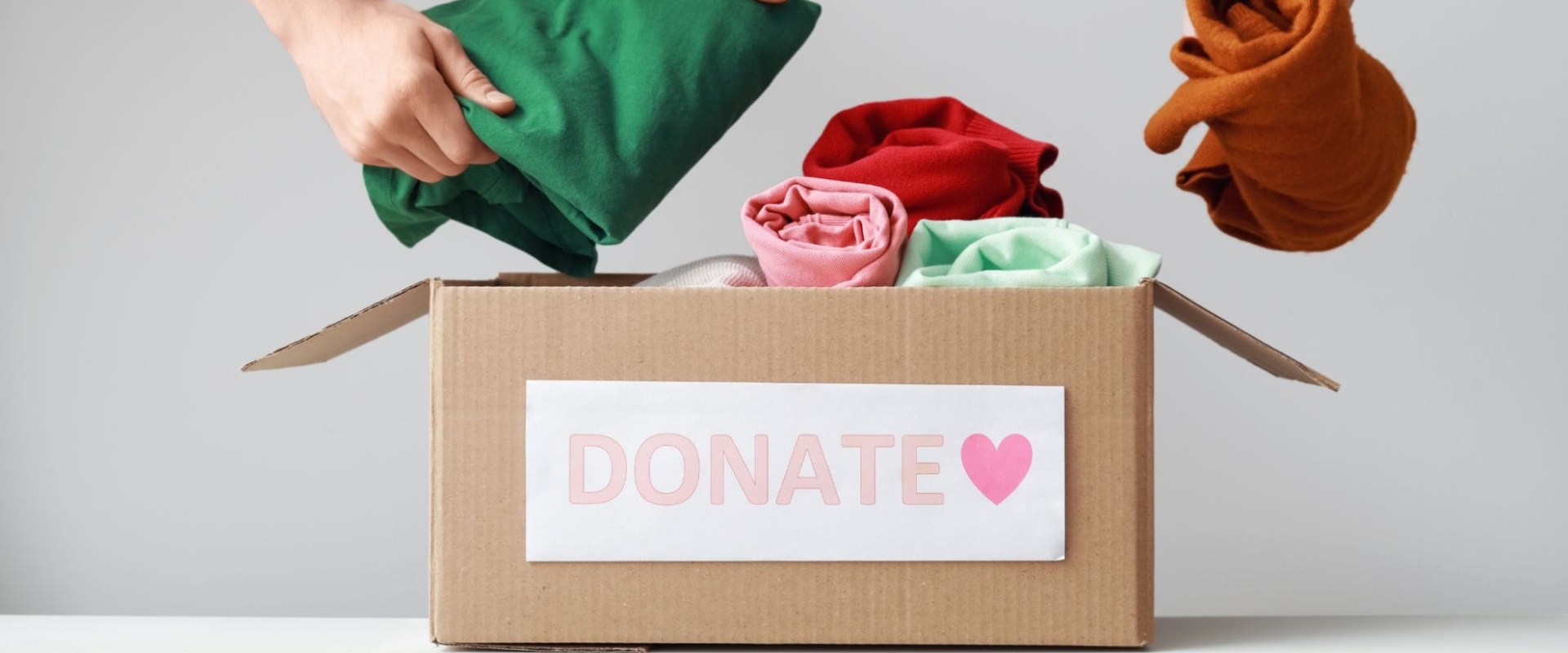
In a world increasingly focused on sustainability and environmental responsibility, the act of donating unwanted items has emerged as a powerful way to make a positive impact. Not only does it help declutter your living space, but it also plays a crucial role in reducing waste and promoting a circular economy. As we navigate the challenges of renovation, many homeowners find themselves with an abundance of items that no longer serve a purpose in their lives. Instead of letting these belongings gather dust or, worse, ending up in landfills, why not consider the transformative potential of giving them a new life through donation?This article will guide you through the myriad benefits of donating your unwanted items, particularly during the renovation process.
By embracing this eco-friendly practice, not only do you contribute to a healthier planet, but you also create a sense of community and support local charities. In Southern California, where eco-friendly renovation practices are becoming increasingly popular, understanding how to effectively donate your items can significantly enhance your renovation experience. Join us as we explore the many ways you can turn your unwanted belongings into opportunities for others while simultaneously revamping your home. Discover local organizations that welcome donations, tips for sorting through your possessions, and the positive environmental impact of making thoughtful choices. Together, we can create spaces that reflect our values and contribute to a more sustainable future. Renovating your home can be an exciting yet daunting task, often leading to significant changes in your living space.
One of the most impactful decisions you can make during this process is the donation of unwanted items. This practice not only helps to declutter your home but also aligns perfectly with eco-friendly renovation strategies by promoting waste reduction and resource conservation. By donating items that you no longer need, you contribute to a more sustainable future while positively impacting your community. When it comes to donating unwanted items, there are many aspects to consider. First and foremost, think about what items are no longer serving a purpose in your home.
Common items that can be donated include appliances, furniture, fixtures, and even building materials. For instance, if you are replacing an old refrigerator or washing machine, consider donating them to local charities or organizations that refurbish and distribute these appliances to families in need. Similarly, when upgrading your furniture, such as couches, chairs, or tables, many local charities will gladly accept these items, provided they are in good condition. In Southern California, there are numerous organizations dedicated to accepting donations of unwanted items. Groups such as Habitat for Humanity ReStores, Goodwill Industries, and Salvation Army are always looking for gently used household items to help those less fortunate.
These organizations not only help individuals in need but also resell donated goods at reduced prices, thus supporting local economies. Making use of these local resources makes it easier for you to find options for donation while ensuring that your unwanted items have a second life. Another advantage of donating unwanted items during renovations is the potential tax benefits associated with charitable contributions. When you donate items, you may be eligible for a tax deduction based on the fair market value of the goods donated. This incentive can offset renovation costs and make the decision to donate even more appealing.
Be sure to keep a record of your donations, including receipts and descriptions of the items given away, as this documentation will be essential when filing your taxes. Some individuals may hesitate to donate due to concerns about the quality of their unwanted items. It is crucial to evaluate whether an item is suitable for donation based on its condition. Generally, items should be functional and free from significant damage or wear. If you're unsure, consider asking yourself a few questions: Would I be comfortable using this item? Is it clean and in working order? Additionally, many charities have guidelines regarding the condition of accepted items on their websites or in their donation centers.
Following these guidelines can help ensure that your donations are both acceptable and beneficial. The positive impact of donating unwanted items cannot be overstated. According to the Environmental Protection Agency (EPA), approximately 292 million tons of trash were generated in the United States in 2018 alone. By donating instead of disposing of unwanted items, you actively contribute to waste reduction, keeping valuable resources out of landfills. Moreover, studies have shown that for every ton of waste diverted from landfills through donation or recycling efforts, significant amounts of greenhouse gas emissions are avoided.
This means that by choosing to donate during renovations, you’re not just improving your home; you’re also playing a role in combating climate change. In conclusion, the donation of unwanted items during home renovations is a powerful tool in promoting sustainability. This practice aligns seamlessly with eco-friendly renovation strategies by reducing waste and conserving resources while providing assistance to those in need within the community. Embracing this approach can transform your home into a more organized and environmentally friendly space while simultaneously benefiting local charities and receiving potential tax advantages. As you embark on your renovation journey, consider how the act of donating can contribute to a greener planet and a stronger community.
The Environmental Impact of Donation
Donating unwanted items is not just a means of decluttering your home; it plays a crucial role in reducing landfill waste.When items are discarded instead of donated, they contribute to the ever-growing problem of landfills. In fact, landfills are a significant source of greenhouse gas emissions, which contribute to climate change. By choosing to donate, you are actively participating in the fight against waste accumulation and its detrimental effects on our planet. Moreover, donating unwanted items promotes recycling and reusing materials, which is essential for sustainable living. Many of the items we no longer need can be refurbished, repurposed, or sold by charities, extending their lifecycle.
This not only conserves natural resources but also reduces the energy consumption associated with manufacturing new products. By donating, you help create a circular economy where materials are kept in use for as long as possible. Additionally, the act of donating supports local charities and organizations that rely on second-hand goods to fund their initiatives. These organizations often provide necessary services to the community, such as job training programs or assistance for those in need. Therefore, your donation not only helps the environment but also strengthens community ties and supports local economies. In summary, donating unwanted items is a simple yet effective way to make a significant impact on our environment.
It helps reduce landfill waste, promotes recycling, and supports charitable organizations, creating a healthier and more sustainable future for all.
Local Charities and Organizations to Consider
When it comes to donating unwanted items in Southern California, there are several reputable local charities and organizations that can help you declutter your home while making a positive impact. Here are some notable options:Habitat for Humanity ReStores are nonprofit home improvement stores that sell new and gently used furniture, appliances, building materials, and more. Proceeds from the sales help build homes for those in need. Many ReStores offer free pickup services for larger items, making it easy to donate without the hassle of transporting them yourself.Check their website for the nearest location and details about scheduling a pickup.
Goodwill
is another excellent option for donating unwanted items. They accept a wide range of goods, including clothing, electronics, and household items. Goodwill has numerous drop-off locations throughout Southern California, and some areas even offer pickup services for larger donations. Visit their website to find the closest donation center or to learn more about their pickup options. The Salvation Army is well-known for its charitable work and accepts donations of clothing, furniture, and household items.They provide free pickup services in many areas, making it convenient to donate larger items directly from your home. To schedule a pickup or find a drop-off location near you, visit their website. By donating your unwanted items to these local charities, you not only help reduce waste but also support organizations that provide essential services to the community. Every contribution makes a difference!
How to Determine What to Donate
When embarking on the journey of decluttering your home, it is essential to assess each item carefully to make informed decisions about what to donate. Begin by evaluating the condition of your belongings.Items that are gently used, functional, and free from major damages such as stains, tears, or broken parts are typically suitable for donation. Think about how you would feel receiving the item—if you wouldn't want it in your own home, it's likely not appropriate for others either. Next, consider the utility of the items in question. Household goods like furniture, clothing, and appliances that can still serve a purpose are ideal candidates for donation. However, items that have reached the end of their lifespan, such as expired electronics or worn-out mattresses, should be responsibly recycled or discarded instead. Additionally, it’s helpful to have a donation checklist.
This list can include categories like clothing, household items, toys, and books. Assess each category: Is the item functional? Does it still meet your needs? Would someone else find it valuable? By answering these questions, you can streamline your donation process while ensuring that the items you pass on can genuinely benefit others. Finally, familiarize yourself with local charities and organizations that accept donations. Different organizations may have specific guidelines regarding what they can accept. Some may not take certain items due to safety regulations or storage limitations.
By being informed about these guidelines, you can ensure your efforts in donating unwanted items are both effective and meaningful.
Tax Benefits of Donating Unwanted Items
When homeowners decide to donate unwanted items, they not only make a positive impact on their community and the environment, but they can also enjoy significant tax benefits. Understanding these financial advantages can make the decision to donate even more appealing during the renovation process. The IRS allows taxpayers to claim a deduction for donations made to qualified charitable organizations. This means that when you donate unwanted items such as clothing, furniture, or appliances, you can potentially reduce your taxable income for the year. However, it’s essential to keep proper records to ensure you maximize these deductions. To qualify for tax deductions, the donated items must be in good condition or better.Homeowners should take the time to assess the quality of their items before donating and ensure that they are eligible for a deduction. Additionally, keeping detailed records is crucial. This includes obtaining a receipt from the charity that outlines the donated items and their estimated value. For accurate valuation, consider using a reputable guide such as the IRS’s appraisal guidelines or resources like Goodwill’s valuation guide. This can help determine fair market value for your donated items.
Remember, it's not just about the items themselves; if you're donating larger goods or electronics, consider taking photographs as additional documentation. Moreover, homeowners should familiarize themselves with the specific requirements for tax deductions in their state, as these can vary. Some states offer additional incentives for charitable contributions, which can further enhance the overall financial benefit of donating. In summary, by understanding and leveraging the tax benefits associated with donating unwanted items, homeowners can not only improve their living spaces but also contribute positively to their communities while enjoying financial advantages during tax season. In conclusion, the act of donating unwanted items during home renovations serves as a powerful catalyst for positive change. By embracing sustainability, not only do we declutter our living spaces, but we also contribute to the well-being of our communities and the environment. The environmental impact of donation is significant, as it helps reduce waste and promotes recycling. Additionally, supporting local charities and organizations ensures that your unwanted items can be repurposed for those in need, fostering a spirit of generosity and community support.
Furthermore, understanding the tax benefits of donating unwanted items can provide an added incentive to give back while also benefiting your own financial situation. As you embark on your renovation journey, take a moment to evaluate what you can donate and how these contributions can shape a more sustainable future. We encourage you to incorporate donation into your plans and make a difference in both your home and the wider community.