- Eco-Friendly Renovation Practices in Southern California
- Energy Efficiency Upgrades
- Rainwater harvesting systems
Harnessing Nature: The Benefits of Rainwater Harvesting Systems for Your Home
Discover how rainwater harvesting systems can enhance your home renovation in Southern California, offering sustainable solutions and inspiration for eco-friendly upgrades.
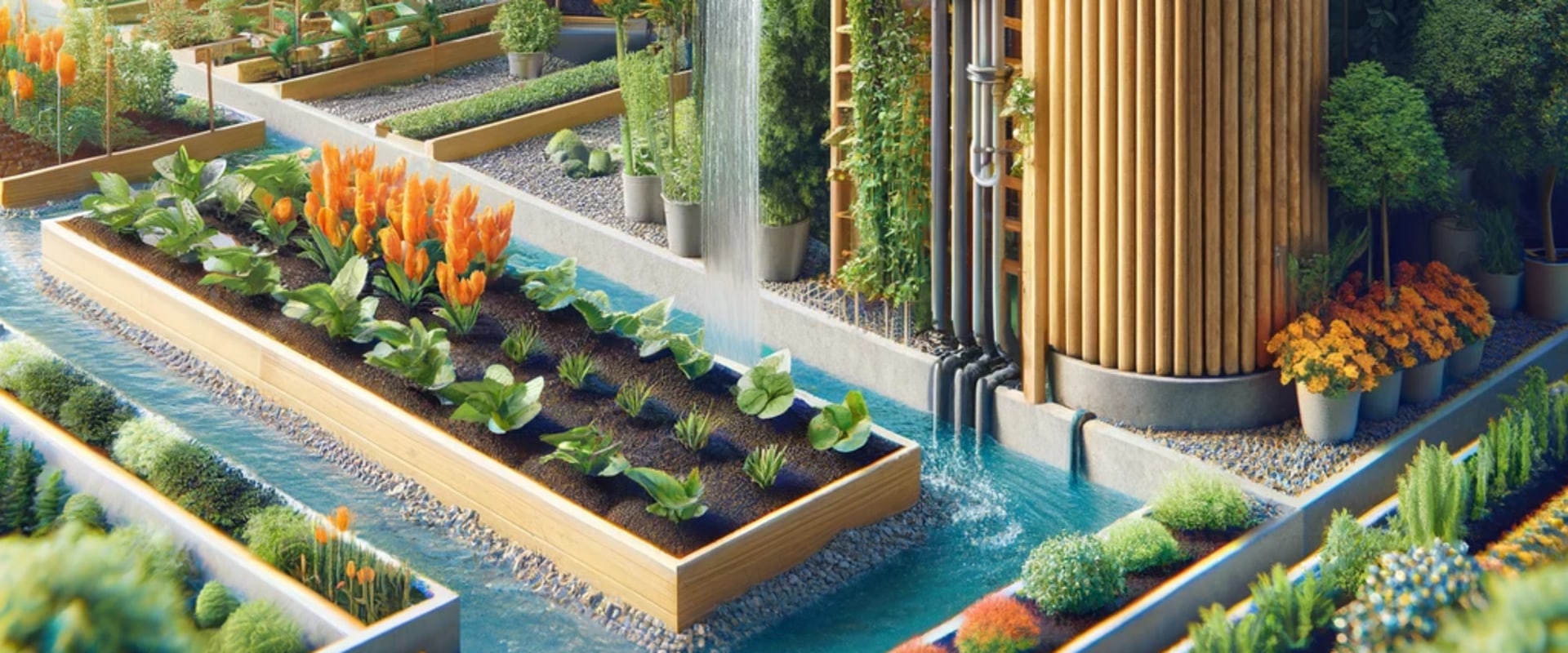
As the world grapples with the challenges of climate change and water scarcity, rainwater harvesting systemsrainwater harvesting systems emerge as a beacon of hope for eco-conscious homeowners. Imagine transforming your roof into a sustainable water source, capturing precious rainfall to nourish your garden, flush your toilets, or even wash your car. This innovative practice not only conserves water but also promotes energy efficiency, making it an essential component of modern eco-friendly renovation practices.In Southern California, where droughts are increasingly common and water bills continue to rise, the need for sustainable solutions has never been more urgent. By implementing rainwater harvesting systems, you can significantly reduce your dependency on municipal water supplies while contributing to the health of the environment.
This article explores the myriad benefits of rainwater harvesting, from reducing your carbon footprint to enhancing your property’s value. Join us on this journey as we delve into the practicalities of rainwater harvesting systems, providing insights that will not only inspire you to make a change but also empower you to embrace a lifestyle that respects and harnesses nature's gifts. Ready to turn your home into a model of sustainability? Let’s dive in!Rainwater harvesting systems are innovative solutions that capture and store rainwater for various uses, making them a vital consideration for homeowners in Southern California looking to renovate their properties sustainably. As water scarcity becomes an increasing concern in this region, integrating rainwater harvesting into home renovations not only addresses environmental issues but also enhances the value of homes. By utilizing these systems, homeowners can take a proactive step towards conserving water and minimizing their ecological footprint. There are several types of rainwater harvesting systems available, primarily categorized into above-ground and below-ground tanks.
Above-ground systems are generally easier to install and can be placed in various locations around the property, such as patios or backyards. These systems often use plastic or metal tanks that are visible, which can be aesthetically pleasing if designed well. In contrast, below-ground systems require more extensive installation but offer the advantage of being hidden from view. These systems typically have larger capacities, making them ideal for families with significant irrigation needs or larger homes.
Regardless of the type chosen, understanding the specific requirements and benefits of each system is essential for effective implementation. The installation process for rainwater harvesting systems varies depending on the chosen type. For above-ground tanks, homeowners typically need to prepare a solid base, connect the system to existing gutters and downspouts, and ensure proper filtration to maintain water quality. Below-ground systems require excavation and more complex plumbing work, often necessitating professional installation to ensure compliance with local regulations and proper functionality. It is advisable for homeowners to conduct thorough research or consult with professionals who specialize in rainwater harvesting to determine the best approach for their specific needs. Maintenance is another critical aspect of ensuring the longevity and efficiency of rainwater harvesting systems.
Regular cleaning of gutters and filters is necessary to prevent debris from contaminating the stored water. Homeowners should also inspect the tanks periodically for leaks or structural issues. It's important to note that while maintenance is required, it is minimal compared to the long-term benefits these systems offer.
This is particularly beneficial in Southern California, where water costs are rising due to ongoing drought conditions. Additionally, captured rainwater can provide an excellent source of irrigation for gardens and landscaping, promoting lush greenery while conserving precious resources. Successful installations in Southern California serve as excellent examples of how rainwater harvesting can be effectively utilized in home renovations. For instance, a family in Los Angeles installed a large above-ground tank that collects runoff from their roof. They have managed to reduce their monthly water bills by over 40%, allowing them to invest those savings into further eco-friendly upgrades around their home. can be effectively utilized in home renovations. For instance, a family in Los Angeles installed a large above-ground tank that collects runoff from their roof. They have managed to reduce their monthly water bills by over 40%, allowing them to invest those savings into further eco-friendly upgrades around their home.
Another homeowner in San Diego opted for a below-ground system integrated with their irrigation system. They reported not only reduced costs but also improved plant health due to the use of naturally filtered rainwater. Despite these advantages, some potential objections may arise when considering rainwater harvesting systems, particularly regarding initial costs and space requirements. While it is true that the upfront investment can be significant—especially for below-ground systems—the long-term savings on water bills can offset these initial expenditures over time. Furthermore, many local governments offer incentives or rebates for installing rainwater harvesting systems, which can alleviate some financial burdens. Space constraints are another common concern for homeowners contemplating rainwater harvesting.
However, with a variety of tank sizes available—ranging from small barrels to large underground cisterns—there are options suitable for virtually any property size. Homeowners can also consider creative solutions such as integrating tanks into landscaping features or selecting slimline tanks designed for tight spaces. In conclusion, rainwater harvesting systems present a practical solution for homeowners in Southern California who are committed to sustainable living through eco-friendly renovations. By understanding the various types of systems available, installation processes, maintenance requirements, and long-term benefits such as reduced water bills and enhanced property value, individuals can make informed decisions that contribute positively to both their households and the environment.
Benefits of Rainwater Harvesting for Homeowners
Rainwater harvesting systems offer a multitude of advantages for homeowners, making them an attractive choice for those engaged in eco-friendly renovations. One of the most significant benefits is the potential for reduced water bills.By collecting and utilizing rainwater for irrigation, toilet flushing, and other non-potable uses, homeowners can significantly lower their reliance on municipal water supplies, resulting in substantial cost savings over time. Furthermore, sustainability is a core principle of rainwater harvesting. In Southern California, where water scarcity is a pressing issue, these systems help conserve valuable resources by capturing rainfall that would otherwise go to waste. This practice not only reduces the demand on local water supplies but also promotes a more sustainable lifestyle, aligning with the values of environmentally conscious homeowners. Another advantage of implementing rainwater harvesting systems is the positive impact on landscape health. Rainwater is naturally soft and free from the chemicals often found in treated tap water, making it ideal for nurturing gardens and landscapes.
Using harvested rainwater can lead to healthier plants, reduced soil erosion, and a more vibrant outdoor space, enhancing the overall aesthetic of the property. Lastly, many regions in Southern California encourage or even mandate compliance with local regulations regarding water conservation. By installing a rainwater harvesting system, homeowners not only contribute to local sustainability efforts but may also benefit from incentives such as rebates or tax breaks. Being proactive in adhering to these regulations can further enhance a homeowner's reputation as a responsible community member.
Maintenance Tips for Longevity
To ensure that your rainwater harvesting systems remain functional and efficient, regular maintenance is essential. By incorporating a few simple practices into your routine, you can extend the lifespan of your system and maximize its benefits. First and foremost, conduct seasonal checks of your entire setup.Inspect the storage tanks, pipes, and downspouts for any signs of wear or damage. Early detection of issues can prevent more significant problems down the line. Cleaning is another critical aspect of maintenance. Start with gutters; clear them of leaves, debris, and any obstructions that could impede water flow. This step is particularly important before the rainy season to ensure optimal capture of rainwater. Next, pay attention to the filters.
Regularly clean or replace filters to ensure that the collected rainwater remains free from contaminants. Depending on your system design, you may need to check filters monthly or quarterly. Lastly, it’s vital to monitor water quality. Test the harvested rainwater periodically for contaminants, especially if you plan to use it for non-potable purposes like irrigation or toilet flushing. If you notice any changes in color, odor, or clarity, address them promptly to maintain the safety and usability of your system. By following these maintenance tips, homeowners can ensure their rainwater harvesting systems operate efficiently, providing a sustainable water source while contributing to eco-friendly renovation efforts in Southern California.
Understanding Rainwater Harvesting Systems
Rainwater harvesting systems are innovative setups designed to collect, store, and utilize rainwater for various purposes, such as irrigation, flushing toilets, and even drinking water in some cases.These systems play a crucial role in promoting sustainability and addressing water scarcity, particularly in regions like Southern California where drought conditions are prevalent. The fundamental operation of a rainwater harvesting system involves capturing rainwater from rooftops through a network of gutters and downspouts. As rain falls, it flows into these gutters, which direct the water down through the downspouts and into storage units. One of the key components of a rainwater harvesting system is the storage tank. This tank is designed to hold the collected rainwater until it is needed. Storage tanks come in various sizes and materials, allowing homeowners to choose one that best fits their needs and available space. Another essential component is the filtration system.
Before rainwater can be used, it must be filtered to remove debris, leaves, and other contaminants. A good filtration system ensures that the water is clean and safe for use, especially if it will be used for drinking or household purposes. In summary, a typical rainwater harvesting system consists of gutters, downspouts, storage tanks, and filtration systems working together to efficiently collect and store rainwater. This setup not only helps conserve precious water resources but also aligns with eco-friendly renovation practices that many homeowners in Southern California are increasingly adopting.
Inspiring Case Studies: Successful Installations
Across Southern California, homeowners are increasingly embracing rainwater harvesting systems as part of their eco-friendly renovations. These systems not only contribute to water conservation but also enhance the aesthetic and functional value of homes.Here are a few inspiring case studies that showcase the successful integration of rainwater harvesting into various home styles. One remarkable example is the Johnson family from Los Angeles, who turned their drought-stricken garden into a flourishing green space by installing a rainwater harvesting system. They utilized a combination of rain barrels and a larger underground cistern, allowing them to collect and store rainwater from their roof. This system not only provided irrigation for their vegetable garden but also reduced their water bills significantly. The Johnsons reported that after the installation, they could maintain a lush landscape even during dry spells, demonstrating how effective rainwater harvesting can be in urban settings. In a different approach, the Martinez family in San Diego incorporated a rainwater harvesting system during their home renovation by utilizing sleek, modern tanks that complemented their contemporary home design.
Their installation featured a dual-purpose system that not only collected rainwater for irrigation but also fed into their home’s plumbing for non-potable uses, such as toilet flushing. By integrating this system into their renovation plan, they achieved significant water savings while enhancing the sustainability of their household. Furthermore, a historic home in Santa Barbara underwent an eco-conscious renovation that included a custom-designed rainwater harvesting system. The homeowners worked closely with architects to ensure that the system blended seamlessly with the architectural style of their vintage property. They installed decorative rain chains and concealed storage tanks that not only served a functional purpose but also added to the property’s charm.
This thoughtful integration allowed them to preserve the character of their home while making a significant step towards sustainability. These case studies illustrate that regardless of style or location, rainwater harvesting systems can be tailored to fit any home renovation project. By sharing these inspiring stories, we hope to encourage more homeowners in Southern California to consider sustainable practices that enhance both their living environment and our planet.
Installation Process: What to Expect
Installing a rainwater harvesting system is a rewarding project that can significantly contribute to sustainable living. Here are the key steps involved in the installation process:1.Assess Your Needs: Start by determining how much rainwater you wish to collect. This will depend on your household's water needs and the size of your roof, which acts as the catchment area.A larger roof can capture more rainwater, making it essential to evaluate your specific requirements.
2.Research Local Regulations:
In Southern California, it is crucial to understand local regulations and permit requirements for installing a rainwater harvesting system. Different municipalities may have varying guidelines, so check with your local government or water authority to ensure compliance.3.Choose the Right System:
There are various types of rainwater harvesting systems, including above-ground tanks and underground cisterns. Consider factors such as available space, budget, and intended use of the harvested water (e.g., irrigation, indoor use) when selecting the right system for your home.4.Hire a Qualified Contractor:
If you're not experienced with plumbing or construction, hiring a qualified contractor is essential. Look for professionals who specialize in rainwater harvesting installations and have experience working within Southern California's unique environmental conditions.Ask for references and check their credentials to ensure you are choosing the right expert for the job.
5.Install the System:
The installation typically involves setting up gutters and downspouts to channel rainwater into your storage tank, installing a filtration system, and connecting the system to your home’s water supply if you plan to use it indoors. Ensure that all components are properly sealed to prevent leaks.6.Maintenance:
Once installed, regular maintenance is crucial to ensure the system operates efficiently. This may include cleaning filters, checking for leaks, and inspecting the storage tank for any signs of contamination. By following these steps, you can successfully install a rainwater harvesting system, making a significant step towards eco-friendly renovation practices in your home. In conclusion, incorporating rainwater harvesting systems into your home renovations not only addresses the pressing challenges of water scarcity but also enhances the sustainability of your property. As we explored, these systems offer numerous benefits including cost savings on water bills, reduced environmental impact, and increased property value. By choosing to implement rainwater harvesting, homeowners in Southern California can play a vital role in promoting eco-friendly practices while enjoying the innovative aspects of modern home renovation.We encourage you to consider these systems as a practical and sustainable option for your next renovation project. For those interested in taking the next step, reaching out to local contractors with experience in rainwater harvesting installations can provide valuable insights and help ensure a successful implementation.