- Bathroom Remodels: Inspiration and Planning
- Planning Your Bathroom Layouts
- Accessibility features
Enhancing Your Bathroom with Accessibility Features
Explore essential accessibility features for your bathroom remodel, including tips, inspiration, and local contractors in Southern California.
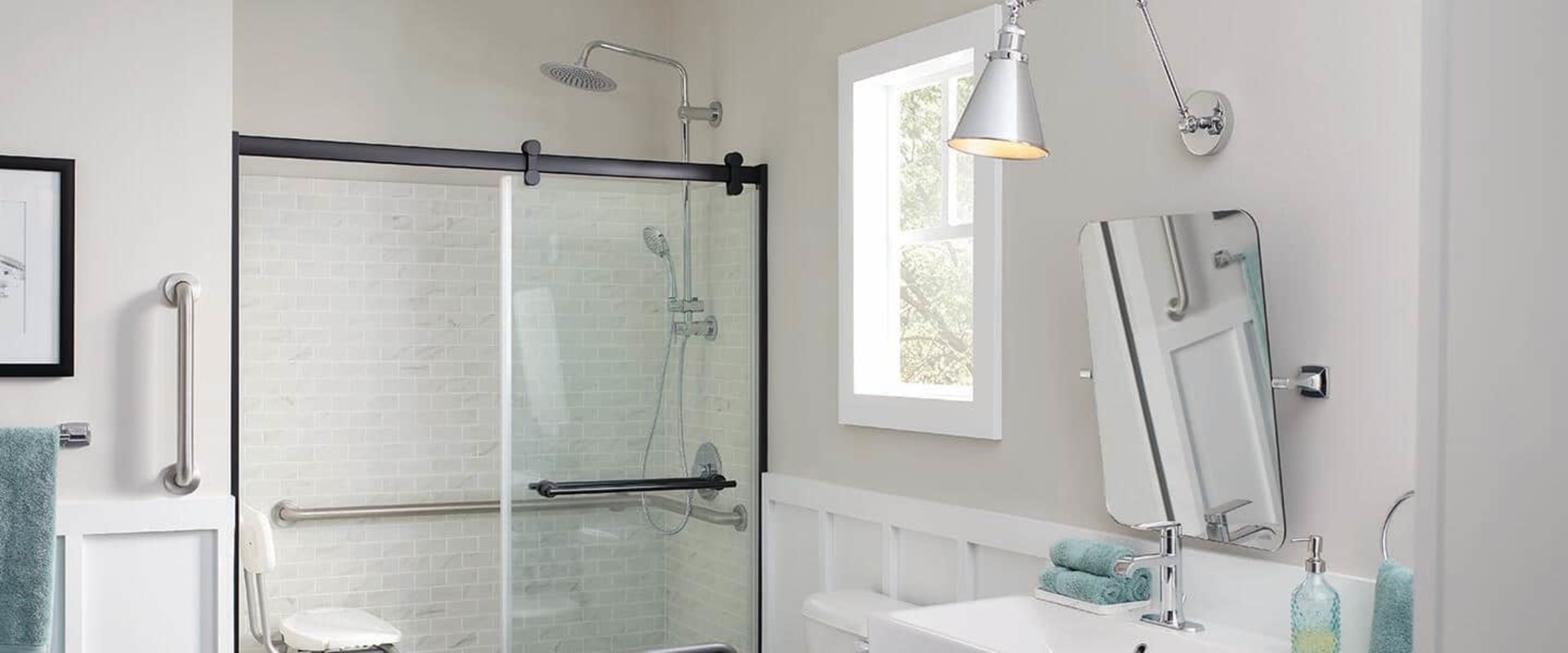
In today's world, creating a comfortable and functional space in your home is more important than ever. When it comes to bathroom design, accessibility features play a crucial role in ensuring that everyone can enjoy this essential part of their living environment. Whether you are planning a remodel for yourself, a loved one, or future guests, incorporating accessibility features into your bathroom layout not only enhances usability but also adds a touch of modernity and style. Imagine stepping into a bathroom that seamlessly blends aesthetics with practicality. From walk-in showers to grab bars and thoughtfully placed fixtures, the right choices can make all the difference.
As we explore the myriad options available for enhancing your bathroom with accessibility features, you'll discover how these elements can transform not just the space itself but also the experience of those who use it. This article will guide you through various ideas and considerations to keep in mind while planning your bathroom remodel, ensuring that it meets the needs of all users while maintaining a stylish and inviting atmosphere. Join us as we delve into the world of accessibility features, providing inspiration and practical tips for creating a bathroom that truly caters to everyone. When considering a bathroom remodel, it's essential to prioritize accessibility features that cater to individuals with mobility challenges or aging family members. Implementing these features not only enhances the functionality of the space but also significantly improves safety and comfort. Embracing universal design principles ensures that the bathroom is usable by everyone, regardless of physical ability.
These principles focus on creating environments that are accessible, equitable, and usable for all individuals. One of the most effective enhancements to consider is a walk-in shower, which eliminates the need to step over a traditional bathtub or shower threshold. Incorporating grab bars within the shower can provide additional support for users while bathing. These bars should be strategically placed to assist individuals in maintaining balance while entering or exiting the shower. Furthermore, adjustable showerheads can cater to various user heights and preferences, making bathing a more pleasant experience. Flooring choices play a critical role in ensuring safety.
Opting for non-slip flooring materials can significantly reduce the risk of falls, which are a common concern in wet environments like bathrooms. Textured tiles or vinyl options designed to provide grip can be both aesthetically pleasing and practical. In addition to flooring, proper lighting is vital for visibility. Incorporating bright, even lighting can help illuminate the space effectively, while utilizing contrasting colors for walls and fixtures can assist those with visual impairments in navigating the area safely. Wider doorways and open floor plans are also critical considerations when planning for accessibility.
Expanding door widths allows for easy passage of wheelchairs or walkers, ensuring that users do not feel restricted in their movement. An open layout can facilitate better maneuverability and create a more welcoming environment for all users. In Southern California, it is essential to understand local regulations and permits related to accessibility renovations. Many municipalities have specific codes that must be adhered to when making modifications to residential spaces. Familiarizing yourself with these regulations can prevent future complications and ensure that your remodel complies with safety standards. Sustainability is another vital aspect to consider during your remodel.
Eco-conscious homeowners can select sustainable materials, such as bamboo or reclaimed wood for cabinetry, low-flow fixtures to conserve water, and energy-efficient lighting options. These choices not only benefit the environment but can also reduce utility costs over time. Finally, hiring local contractors who specialize in accessible designs and renovations is crucial for ensuring that your bathroom remodel meets the necessary standards of safety and usability. Experienced contractors can provide valuable insights into the best practices for incorporating accessibility features, helping you create a space that is both functional and beautiful.
Navigating Permits for Accessibility Renovations
When planning to incorporate accessibility features into your bathroom renovation, understanding local permit requirements in Southern California is crucial. The process may vary depending on your city or county, but there are general guidelines that can help simplify your journey. First, it’s essential to check with your local building department. into your bathroom renovation, understanding local permit requirements in Southern California is crucial. The process may vary depending on your city or county, but there are general guidelines that can help simplify your journey. First, it’s essential to check with your local building department.Many jurisdictions have specific regulations regarding accessible renovations, especially if you are making significant changes to the structure or layout of your bathroom. You can typically find this information on your city’s official website or by visiting their office in person. Next, consider the scope of your renovation. If you are planning minor updates, such as installing grab bars or a non-slip floor, you may not need a permit. However, for major alterations like widening doorways or installing a roll-in shower, a permit is likely required. Once you determine whether a permit is necessary, familiarize yourself with the application process.
This often involves submitting detailed plans of your proposed renovations, including layouts and materials. Be prepared to demonstrate how your plans meet local building codes and accessibility standards. If you’re unsure about the requirements or how to fill out the application, consider consulting with a licensed contractor who has experience with accessible renovations. They can guide you through the permitting process and ensure that all aspects of the renovation meet legal standards. Finally, remember to factor in the timeline for obtaining permits when planning your renovation schedule. The process can take time, so it’s wise to start early to avoid delays in your project.
Key Accessibility Features to Consider
When planning a bathroom remodel, it is crucial to incorporate accessibility features that cater to individuals with mobility challenges or aging family members.These features not only enhance the functionality of the space but also provide a safer and more comfortable environment. Here are some specific accessibility features to consider:Grab Bars: Installing grab bars near the toilet and in the shower can significantly improve safety. These sturdy bars provide support for individuals as they navigate the bathroom, reducing the risk of slips and falls.
Roll-In Showers:
A roll-in shower is designed without a curb, allowing wheelchair users to enter easily. These showers often include built-in seating and handheld showerheads, making bathing easier and more comfortable.Adjustable Vanities:
Incorporating adjustable or floating vanities allows users of different heights to access sink areas comfortably.This feature can be particularly beneficial for individuals who may need to sit while using the sink.
Non-Slip Surfaces:
The flooring in your bathroom should be equipped with non-slip surfaces to prevent accidents. Options such as textured tiles or vinyl flooring can provide better traction, ensuring safety when wet. By incorporating these accessibility features, you can create a bathroom that is not only functional but also welcoming for all users, regardless of their mobility challenges.Choosing Sustainable Materials
When planning an accessible bathroom remodel, it’s essential to consider not only functionality and safety but also the sustainability of the materials used.Sustainable materials
can enhance your bathroom's accessibility features while minimizing environmental impact. By choosing eco-friendly options, you contribute to a healthier home and planet. One excellent option is recycled tiles.These tiles are made from post-consumer materials, offering durability and aesthetics. They can be used for flooring or wall coverings, providing a slip-resistant surface that is essential for safety in accessible bathrooms. Another choice is low-VOC paints. Volatile organic compounds (VOCs) can contribute to air pollution and health issues. Selecting low-VOC or zero-VOC paints ensures a safer environment for individuals with respiratory sensitivities, including the elderly and those with mobility challenges. For countertops, consider using bamboo or reclaimed wood.
Bamboo is a rapidly renewable resource that offers a warm, natural look. Reclaimed wood, sourced from old structures, adds character while being eco-friendly. Both options can be treated for water resistance, making them suitable for bathroom use. Additionally, look for water-saving fixtures, such as faucets and showerheads that limit water flow without sacrificing performance. These fixtures not only reduce water usage but also lower utility bills, making your bathroom more sustainable in the long run. Incorporating energy-efficient lighting is another way to enhance sustainability.
LED lights consume less energy and have a longer lifespan compared to traditional bulbs, reducing both energy costs and waste. By choosing these sustainable materials, your bathroom remodel can be both accessible and environmentally responsible, creating a space that meets the needs of all users while respecting the planet.
Finding Local Contractors
When planning a bathroom remodel that incorporates accessibility features, finding the right contractor is crucial. You want to ensure that the professional you hire understands the specific needs associated with accessibility and has experience in implementing these important modifications. Start your search by asking for recommendations from friends, family, or healthcare professionals who may have worked with contractors specializing in accessible bathroom renovations. Online reviews and testimonials can also provide valuable insights into the quality of work and customer satisfaction. Once you have a list of potential contractors, check their credentials. Look for licenses, certifications, and insurance that demonstrate their legitimacy and expertise in bathroom remodeling with a focus on accessibility.Additionally, consider seeking out contractors who are members of professional organizations dedicated to accessibility or universal design. Schedule consultations with your top choices to discuss your specific needs and vision for the remodel. During these meetings, inquire about their experience with accessibility features, such as grab bars, roll-in showers, and adjustable fixtures. A qualified contractor should be able to provide examples of past projects and offer suggestions based on best practices. Finally, obtain detailed quotes from each contractor. This should include a breakdown of materials, labor costs, and a timeline for completion.
By comparing estimates, you can ensure that you are making an informed decision that aligns with both your budget and your accessibility needs.
Benefits of Universal Design
Universal design is a concept that aims to create spaces that are accessible and usable by all individuals, regardless of their age or physical abilities. By incorporating accessibility features into bathroom renovations, homeowners can enhance not only the practicality of their spaces but also their overall value. One of the primary benefits of universal design is its focus on inclusivity. Features such as grab bars, curbless showers, and adjustable vanities are designed to assist those with mobility challenges but also benefit everyone. For instance, a curbless shower can provide a safer bathing experience for young children as well as elderly family members, making the bathroom a more user-friendly space for all. Moreover, integrating accessibility features can significantly increase the resale value of your home.As the population ages, there is a growing demand for homes that accommodate various needs. A bathroom designed with universal design principles is appealing not only to individuals with disabilities but also to families looking for practical and versatile living spaces. Additionally, implementing universal design elements can enhance safety within the bathroom. Features such as slip-resistant flooring, well-placed lighting, and lever-style faucets reduce the risk of accidents and injuries. This focus on safety is essential for all users but becomes particularly important for aging family members who may be more prone to falls. Ultimately, adopting a universal design approach in bathroom renovations offers a multitude of benefits.
It creates a welcoming environment for everyone, enhances property value, and promotes safety and comfort in daily routines. Homeowners who prioritize accessibility features in their designs are investing in a future-proof home that meets the diverse needs of its occupants. In summary, we have explored the importance of incorporating accessibility features in bathroom renovations, especially for those with mobility challenges or aging family members. By integrating thoughtful design elements, we can ensure that a bathroom is not only beautiful but also functional and safe for all users. As you plan your remodel, it is essential to consider the specific needs of your family members, as well as any potential visitors who may require additional support. By doing so, you can create a space that provides comfort and ease of use, enhancing the overall quality of life. Remember, with the right approach and attention to detail, your bathroom can become a welcoming haven for everyone, regardless of their physical abilities.
Embrace the opportunity to design a functional sanctuary that caters to diverse needs and promotes independence.