- Kitchen Renovations: Trends and Tips
- Current Design Trends
- Open-concept kitchens
Transforming Spaces: The Allure of Open-Concept Kitchens
Discover the benefits, design trends, and contractor tips for open-concept kitchens in Southern California. Get inspired for your next renovation project!
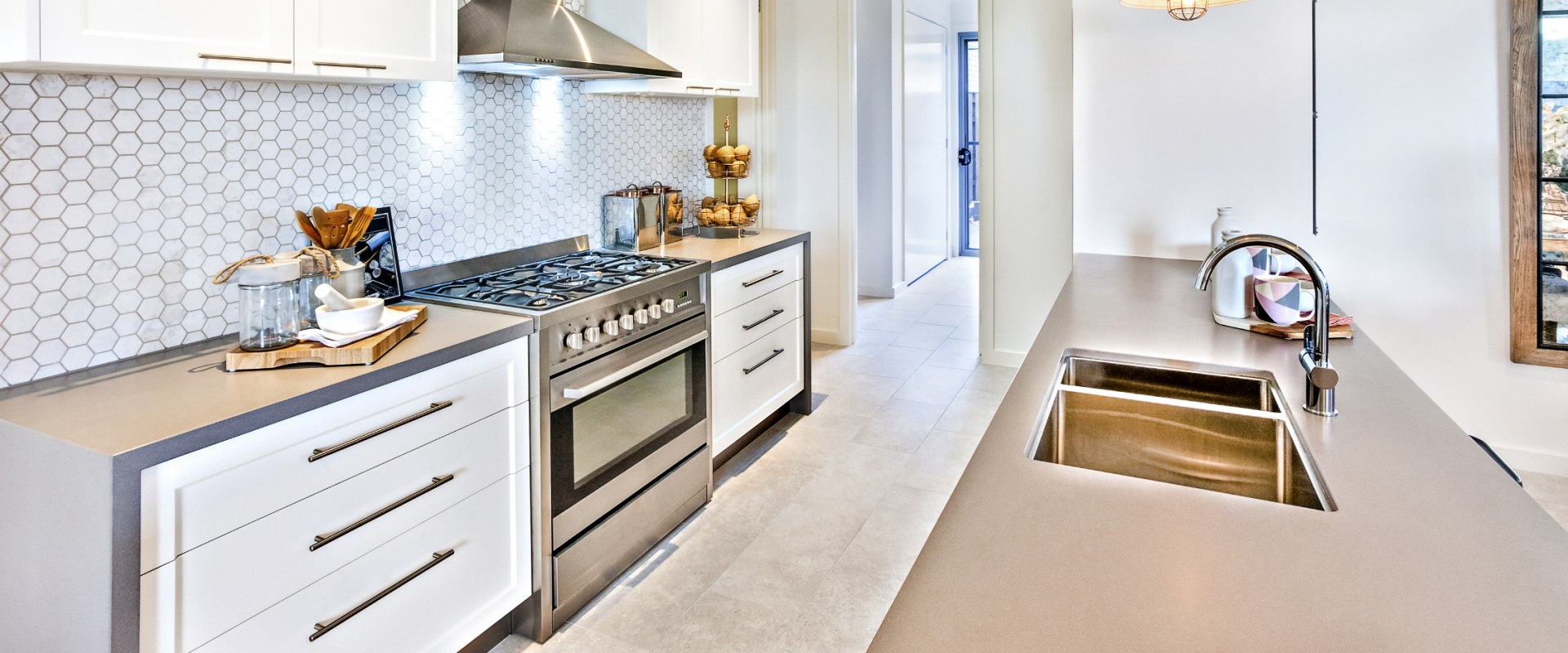
In recent years, the heart of the home has undergone a remarkable transformation. Gone are the days of compartmentalized spaces that separate cooking from living and dining. Enter the era of open-concept kitchens, where boundaries dissolve, and the art of entertaining is redefined. This design trend has captivated homeowners and designers alike, offering a harmonious blend of functionality and aesthetic appeal. The allure of open-concept kitchens lies not only in their spaciousness but also in their ability to foster connection.
Imagine a bustling kitchen where family and friends gather, sharing laughter and stories while culinary creations come to life. This seamless integration of spaces allows for effortless flow and interaction, making it the perfect backdrop for memorable gatherings. As we delve into this article, we will explore the transformative power of open-concept kitchens. We'll examine how they enhance both everyday living and special occasions, showcasing innovative designs that reflect contemporary lifestyles. Whether you are contemplating a renovation or simply seeking inspiration, join us on this journey through the captivating world of open-concept kitchens, where style meets function in a beautiful embrace.
Open-concept kitchens
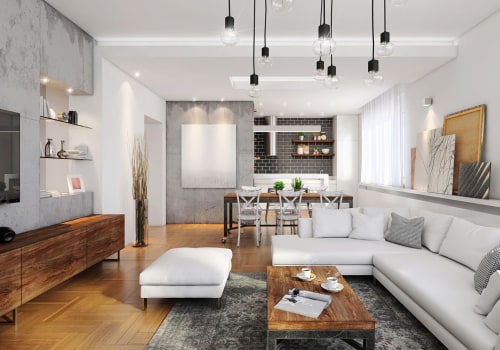
have become a hallmark of modern home design, especially in regions like Southern California, where the emphasis on casual living and social interaction is paramount.These spaces not only promote a sense of togetherness among family members and guests but also maximize the flow of natural light, making homes feel more spacious and inviting. For homeowners considering renovations, understanding the intricacies of open-concept kitchens is essential to creating a harmonious and functional environment. One of the most significant aspects that contribute to the open feel of these kitchens is the layout. Typically, an open-concept kitchen integrates seamlessly with the dining and living areas, often achieved by removing walls or incorporating large islands that serve as both cooking and social spaces. This layout encourages interaction, allowing the host to engage with guests while preparing meals.
Additionally, a well-planned layout can optimize workflow, making cooking more enjoyable. The choice of color schemes and materials also plays a crucial role in enhancing the openness of these spaces. Light, neutral colors such as whites, creams, and soft grays can create an airy atmosphere, while splashes of color can add personality without overwhelming the senses. Materials such as glass backsplashes or open shelving can further contribute to a feeling of spaciousness by allowing light to bounce around the room. In Southern California, where outdoor living is celebrated, incorporating large windows or sliding glass doors that lead to patios or backyards can blur the lines between indoor and outdoor spaces. Successful open-concept kitchen renovations in Southern California often reflect the local aesthetic, which ranges from contemporary coastal designs to rustic farmhouse styles.
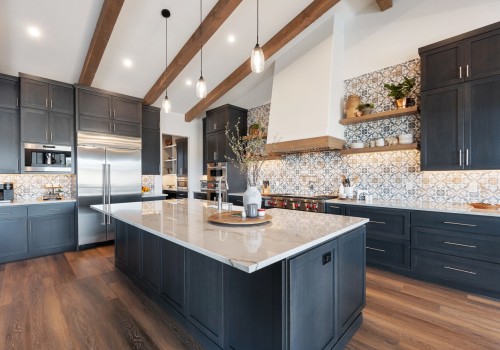
For instance, a coastal-inspired kitchen might feature white shaker cabinets paired with marine blue accents and natural wood elements that evoke the nearby beaches. In contrast, a more rustic approach may involve reclaimed wood beams, stone countertops, and warm earth tones that resonate with the region’s natural surroundings. Highlighting these diverse styles not only showcases personal tastes but also adapts well to Southern California's dynamic lifestyle. However, creating an open-concept kitchen is not without its challenges. Homeowners often worry about noise levels and cooking odors permeating other areas of the home.
Implementing soundproofing solutions such as insulated walls or ceiling panels can help mitigate noise from appliances or conversations. Additionally, investing in high-quality ventilation systems can effectively manage cooking odors while maintaining air quality throughout the home. Selecting local contractors who specialize in kitchen renovations is paramount to ensuring quality work. Homeowners should seek professionals with a portfolio showcasing their expertise in Implementing soundproofing solutions such as insulated walls or ceiling panels can help mitigate noise from appliances or conversations. Additionally, investing in high-quality ventilation systems can effectively manage cooking odors while maintaining air quality throughout the home. Selecting local contractors who specialize in kitchen renovations is paramount to ensuring quality work. Homeowners should seek professionals with a portfolio showcasing their expertise in open-concept kitchens. It’s beneficial to ask for references or visit completed projects to assess craftsmanship firsthand.
Engaging contractors familiar with local building codes and design trends will streamline the renovation process and result in a space that meets both aesthetic and functional needs. Permits are another critical consideration when undertaking structural changes for an open-concept kitchen. In Southern California, homeowners must navigate local regulations to obtain necessary permits for removing walls or making significant alterations. Engaging with a knowledgeable contractor can simplify this process; they can assist in identifying required permits and ensuring compliance with all regulations. Sustainability is increasingly important in modern renovations, and open-concept kitchens offer numerous opportunities for eco-friendly practices. Homeowners can opt for energy-efficient appliances that consume less power while providing high performance.
Additionally, selecting eco-friendly materials such as bamboo flooring or recycled countertops not only minimizes environmental impact but also adds unique character to the space. As technology continues to evolve, integrating smart technology into open-concept kitchens has become a popular trend. Smart refrigerators that monitor inventory, automated lighting systems that adjust based on natural light levels, and voice-activated assistants that control various appliances enhance convenience while promoting energy efficiency. Furthermore, designing multifunctional spaces within these kitchens allows homeowners to adapt their environments for various activities, whether it’s cooking, entertaining, or working from home. In conclusion, open-concept kitchens offer homeowners an exciting opportunity to transform their spaces into modern havens that embrace interaction and functionality. By considering design elements such as layout, color schemes, materials, and sustainability practices, along with navigating potential challenges through expert guidance and smart planning, homeowners can create stunning kitchens that align perfectly with their lifestyles and aspirations.
Permits and Regulations
When embarking on a kitchen renovation, especially with the intention of creating an open-concept kitchen, understanding local regulations and permits is crucial.Each municipality has its own set of rules that govern home renovations, which can include zoning laws, building codes, and safety regulations. Before you begin any demolition or construction, it is essential to check with your local building department. They can provide information on whether you need a permit for your specific project. Typically, structural changes, such as removing walls to achieve an open-concept design, will require a permit. This ensures that the work meets safety standards and is compliant with local codes. In Southern California, where homes often feature unique architectural styles, it is also important to consider any homeowners' association (HOA) guidelines that may apply.
HOAs can impose additional restrictions or requirements that homeowners must adhere to when modifying their properties. Additionally, understanding the permitting process can help streamline your renovation timeline. Submitting the necessary documents and plans in advance can prevent delays. Working with a licensed contractor who is familiar with local regulations can be invaluable in navigating these requirements effectively. In summary, obtaining the proper permits and adhering to local regulations is a vital step in the renovation process. It not only ensures compliance with safety standards but also protects your investment in creating a stunning open-concept kitchen.
Designing Your Dream Open-Concept Kitchen
When it comes to creating your dream open-concept kitchen, the layout is a critical aspect that can significantly influence both aesthetics and functionality.Popular layout options include the island layout, which not only provides additional workspace but also serves as a social hub where family and friends can gather. Another option is the L-shaped design, which maximizes corner space while maintaining an open feel, making it ideal for smaller areas. Choosing the right color palette can further enhance the sense of openness in your kitchen. Soft, light colors such as whites, creams, and pastel shades can make a space feel more expansive and airy. Incorporating contrasting darker elements through cabinetry or kitchen islands can add depth without overwhelming the room.
Additionally, using cohesive color schemes across adjoining spaces helps to create a seamless flow, reinforcing the open-concept design. Materials play a vital role in achieving the desired look and feel of your open-concept kitchen. Opt for durable yet stylish materials such as quartz or granite for countertops, which not only provide a clean and polished look but are also practical for everyday use. For flooring, consider materials like hardwood or large-format tiles that extend throughout the kitchen and into the living areas, reinforcing the concept of openness. Incorporating glass elements, such as large windows or sliding doors, can further blur the lines between indoor and outdoor spaces, enhancing natural light and providing a connection to nature. Ultimately, designing your dream open-concept kitchen is about creating a harmonious blend of layout, color, and materials that reflect your personal style while promoting functionality and social interaction.
Current Trends in Open-Concept Kitchens
The landscape of open-concept kitchens continues to evolve, driven by innovations that enhance both functionality and aesthetics.One of the most prominent trends is the integration of smart technology. Homeowners are increasingly opting for smart appliances and systems that allow for seamless control over kitchen functions, from temperature regulation to inventory management. This technology not only adds convenience but also contributes to energy efficiency, a significant consideration for modern homeowners. Another exciting trend is the creation of multifunctional spaces. As families seek to make the most of their homes, kitchens are being designed to serve multiple purposes beyond cooking.
Islands with built-in seating areas facilitate casual dining and socializing, while integrated workspaces allow for homework or remote work. This versatility is especially appealing in open-concept designs, where the boundaries between kitchen, dining, and living areas blur. Additionally, the use of sustainable materials has become a focal point in open-concept kitchen renovations. Homeowners are prioritizing eco-friendly options that not only look good but also minimize environmental impact. From reclaimed wood to recycled countertops, these choices reflect a growing awareness of sustainability in home design. Lastly, aesthetic trends such as the incorporation of bold colors and textures are making waves in open-concept kitchens.
Unlike the once-dominant all-white palette, homeowners are embracing vibrant hues and unique finishes to create focal points within their kitchens. This shift allows for personal expression and adds character to the overall space.
Choosing the Right Contractor
When embarking on a kitchen renovation, particularly for an open-concept kitchen, selecting the right contractor is crucial. The right professional can make the difference between a seamless transformation and a project fraught with delays and disappointments. First and foremost, look for contractors with extensive experience in kitchen renovations. Review their portfolios to see past projects, especially those featuring open-concept designs.This will give you an idea of their style and capability in handling similar transformations. Additionally, prioritize local contractors who understand the specific needs and trends of your area, particularly in regions like Southern California where open layouts are popular. They will be more familiar with local building codes, permits, and design preferences. Don’t hesitate to ask for references from previous clients. Speaking directly with past customers can provide insight into the contractor’s reliability, communication skills, and overall quality of work. A reputable contractor should be happy to provide this information. Moreover, consider getting multiple quotes.
This not only helps you gauge the average cost for your renovation but also gives you a chance to assess how each contractor communicates and presents their services. Pay attention to detail in their proposals; it can be indicative of their professionalism. Finally, ensure that the contractor is licensed and insured. This is vital to protect yourself from any liabilities during the renovation process. A legitimate contractor will have no problem providing proof of their licensing and insurance. By following these tips, you can confidently choose a contractor who will bring your open-concept kitchen vision to life, ensuring a smooth renovation experience that enhances your home.
Sustainable Renovation Ideas
Incorporating eco-friendly practices into your kitchen design is not only beneficial for the environment, but it can also enhance the aesthetic and functionality of your open-concept kitchen.As homeowners increasingly seek to create spaces that are both beautiful and sustainable, there are several key ideas to consider when planning your renovation. One of the most effective ways to achieve a sustainable kitchen is by selecting energy-efficient appliances. These appliances consume less energy, which not only reduces your utility bills but also minimizes your carbon footprint. Look for Energy Star-rated options that offer advanced technology without sacrificing performance. Another important aspect of sustainable kitchen design is the use of recycled or reclaimed materials. When choosing countertops, cabinetry, or flooring, consider materials that have been repurposed or sustainably sourced.
For example, recycled glass countertops or reclaimed wood cabinets add character while promoting environmental responsibility. Additionally, incorporating natural lighting into your open-concept kitchen can significantly reduce the need for artificial lighting during the day. Large windows, skylights, or open layouts that connect to adjacent living areas can create a bright and inviting atmosphere while saving energy. Don’t forget about water conservation as well. Installing low-flow faucets and energy-efficient dishwashers can greatly reduce water usage without compromising performance. These fixtures are designed to provide the same level of functionality while being more efficient. Lastly, consider integrating indoor plants into your kitchen design.
Not only do they enhance air quality, but they also bring a touch of nature indoors, creating a calming environment in your open-concept kitchen.By incorporating these eco-friendly practices into your kitchen renovation, you can create a space that is not only stylish and functional but also aligned with sustainable living principles. Embracing sustainability in your open-concept kitchen design reflects a commitment to both personal and environmental well-being. In conclusion, open-concept kitchens offer a harmonious blend of style and functionality that resonates deeply with modern homeowners. The benefits of this design extend beyond mere aesthetics; they create inviting spaces that foster social interaction and allow for seamless transitions between cooking, dining, and entertaining. As highlighted throughout this article, the popularity of open-concept kitchens in regions like Southern California underscores their appeal in maximizing space and enhancing the overall flow of a home. For those contemplating a kitchen renovation, embracing the open-concept style can be a transformative decision.
With thoughtful planning, attention to current trends, and the guidance of experienced professionals, it is entirely possible to create a kitchen that not only meets functional needs but also elevates the aesthetic appeal of your home. We encourage readers to weigh the advantages discussed and consider how an open-concept kitchen could redefine their living space. By investing in a well-designed kitchen renovation, you are not just enhancing a room; you are enriching your entire home experience.