- Interior Design Tips for Renovated Homes
- Furniture Selection and Arrangement Tips
- Creating focal points in a room design
Creating Focal Points in Room Design
Discover how to effectively create focal points in your room design for a stunning renovation. Tips, ideas, and contractor information included.
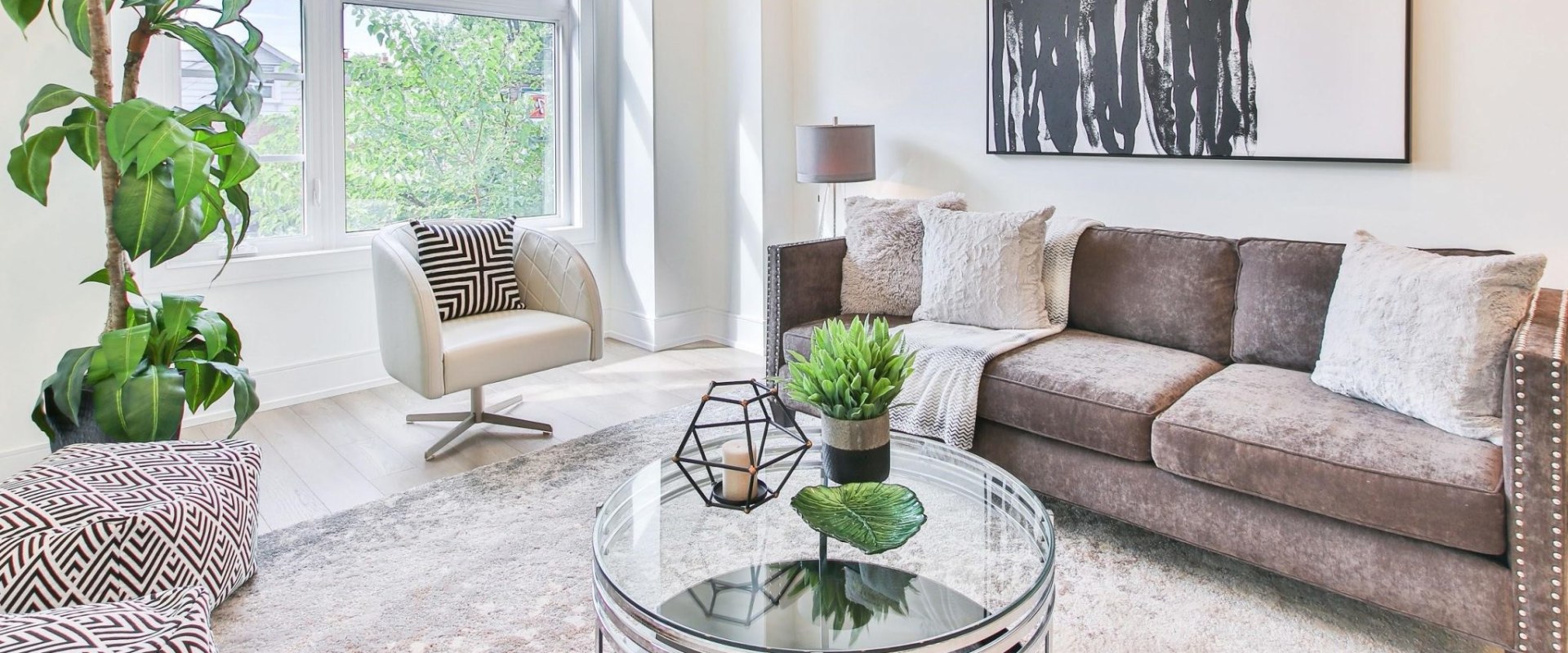
When it comes to creating focal points in a creating focal points in a room designcreating focal points in a room design, the art lies in drawing attention to the elements that matter most. Every space has its unique personality, and understanding how to highlight its strengths can transform an ordinary room into a captivating oasis. Whether you're working with a cozy living room, a spacious dining area, or a serene bedroom, the right focal point can anchor the space and provide a visual narrative that invites admiration and comfort. Imagine walking into a room where your eyes are immediately drawn to a stunning piece of artwork, a beautifully crafted fireplace, or an elegant piece of furniture. These elements not only enhance the aesthetic appeal but also create a sense of harmony and balance within the space.
In this article, we'll explore the various techniques and tips for creating focal points in room design, ensuring that your renovated home reflects your personal style while maximizing functionality. As we delve into the world of interior design, you'll discover how to select and arrange furniture in a way that complements your focal points, making every corner of your home feel intentional and inviting. Join us on this journey as we uncover the secrets to effective room design that resonates with beauty and purpose. Creating focal points in room design is essential for transforming any space into a visually appealing and functional area. Focal points are the elements that draw the eye and serve as a center of interest, guiding the overall aesthetic of the room. By understanding various types of focal points, homeowners can effectively enhance their home renovation projects, especially in regions like Southern California, where aesthetic appeal is crucial. One popular type of focal point is is essential for transforming any space into a visually appealing and functional area. Focal points are the elements that draw the eye and serve as a center of interest, guiding the overall aesthetic of the room. By understanding various types of focal points, homeowners can effectively enhance their home renovation projects, especially in regions like Southern California, where aesthetic appeal is crucial. One popular type of focal point is architectural features.
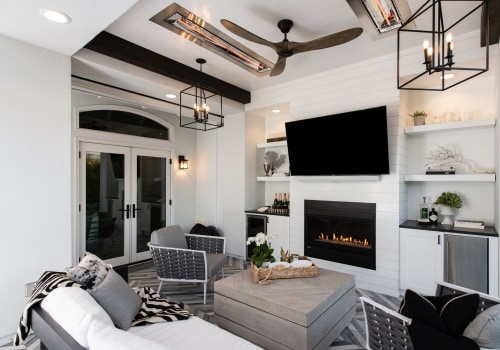
These can include elements such as fireplaces, large windows, or unique structural designs. For example, a fireplace can serve as a natural gathering place in a living room, drawing attention with its warmth and inviting atmosphere. In Southern California, where outdoor living is prevalent, large sliding glass doors that open to a patio can create an impressive focal point that merges indoor and outdoor spaces seamlessly. Another effective type of focal point is through strategic furniture arrangements. By positioning furniture to highlight certain areas of a room, such as grouping seating around a coffee table or facing a stunning view, homeowners can create a sense of intimacy and purpose.
In a living room, for instance, a well-placed sectional can direct traffic flow and invite conversation while drawing attention to a beautiful piece of artwork or a statement light fixture.
Artwork
serves as another powerful focal point. A large painting or an eye-catching sculpture can instantly elevate the aesthetic of any room. In kitchens, for example, vibrant artwork displayed above the dining area can bring life to the space while also reflecting the homeowner's personality. It’s important to choose pieces that resonate with the overall style of the home, creating harmony and balance.Lighting
also plays a critical role in establishing focal points.Dramatic chandeliers or modern pendant lights not only illuminate a space but also serve as artistic statements in their own right. In bathrooms, for instance, well-placed sconces flanking a mirror can create balance and enhance functionality while adding a touch of elegance to the design. When creating these focal points, considerations for color, scale, and balance are paramount. The colors chosen for focal points should complement the overall color scheme of the room; bold colors can make a statement, while softer tones can create subtle elegance. Scale is equally important; oversized furniture or artwork can overwhelm a small space while tiny pieces may get lost in larger rooms.
Achieving balance involves ensuring that the focal point harmonizes with other elements in the room rather than competing for attention. However, homeowners may face challenges when creating effective focal points. For instance, an overly busy room with too many competing elements can dilute the impact of chosen focal points. To overcome this, it’s advisable to simplify the decor and allow each focal point to shine without distractions. Additionally, ensuring that the focal point is at eye level helps maintain visual interest and accessibility. In Southern California, local trends often lean towards incorporating natural materials and open spaces that reflect the region's sunny climate and laid-back lifestyle.
Elements such as reclaimed wood, stone accents, and lush greenery can serve as stunning focal points that resonate with the local environment. Homeowners might consider consulting with local contractors who not only understand these regional aesthetics but also navigate building regulations effectively. In conclusion, understanding how to create focal points in room design allows homeowners to elevate their spaces significantly. By exploring architectural features, furniture arrangements, artwork, and lighting while keeping color, scale, and balance in mind, individuals can design effective focal points that enhance their home renovation projects. Moreover, embracing local trends and hiring knowledgeable contractors ensures that your design aligns with both your personal style and regional influences.
Sustainable Renovation Ideas
When it comes to creating focal points in a room design, incorporating sustainable practices not only enhances the aesthetic appeal but also promotes environmental responsibility.Eco-friendly materials can serve as stunning centerpieces that reflect your commitment to sustainability. One option is to use reclaimed wood for furniture or wall accents. This not only adds character and history to your space but also reduces the demand for new timber, which helps preserve forests. Consider a reclaimed wood feature wall or a custom-built coffee table made from salvaged materials. Another idea is to incorporate plants as focal points. Living walls or large potted plants can bring life and vibrancy to your room while improving air quality.
Opt for native plant species that thrive in Southern California's climate, as they require less water and maintenance. Using recycled glass or metal in your decor can also create striking focal points. Think about light fixtures made from recycled glass or decorative items crafted from upcycled materials. These elements not only draw the eye but also tell a story of sustainability. Finally, consider furniture made from sustainable sources, such as bamboo or certified hardwoods. These materials are not only durable but also add a modern touch to your room design.
By choosing eco-friendly options, you can create stunning focal points that align with your values and enhance your home renovation project.
Local Trends and Inspirations
When considering creating focal points in a room design, it's essential to draw inspiration from the unique styles prevalent in Southern California. This region is known for its diverse architectural influences, including Spanish Revival, Mid-Century Modern, and Contemporary designs, each offering distinct elements that can serve as focal points in your interior spaces. For instance, Spanish Revival homes often feature intricate tile work, arched doorways, and wrought iron details that can become striking focal points. Incorporating colorful tiles as a backsplash or using decorative ironwork as wall art can enhance the character of your space while remaining true to this timeless style.Mid-Century Modern
design is another popular choice in Southern California, characterized by clean lines, organic forms, and vibrant colors. Consider selecting furniture pieces with bold shapes or unique textures that can stand out in your room.A statement chair or a uniquely shaped coffee table can serve as a perfect focal point, drawing attention and adding personality to your renovation. Lastly, Contemporary design emphasizes simplicity and functionality. In this style, minimalistic art pieces or oversized light fixtures can serve as effective focal points. Opting for a large pendant light or an abstract painting can create visual interest without overwhelming the space. By understanding these regional styles and themes, you can effectively create focal points that not only enhance the aesthetic appeal of your home but also reflect the vibrant culture of Southern California.
Hiring Local Contractors
When embarking on a home renovation project, especially when creating focal points in room design, hiring reliable local contractors in Southern California is crucial. The right professionals can help bring your vision to life while ensuring quality craftsmanship. Start by seeking recommendations from friends, family, or neighbors who have recently completed renovations.Their firsthand experiences can guide you towards trustworthy contractors. Additionally, online resources such as review sites and local business directories can provide valuable insights into contractors' reputations. Once you have a list of potential contractors, it's essential to conduct thorough interviews. Ask about their experience with focal points in interior design and request examples of previous work. This will give you an idea of their style and expertise.
Don't hesitate to ask for references and follow up with past clients to gauge their satisfaction levels. Another critical factor is obtaining multiple quotes. This not only helps you understand the market rate for your project but also allows you to compare services offered by different contractors. Be wary of quotes that seem unusually low; they may indicate subpar materials or workmanship. Before making your final decision, ensure that the contractor is licensed and insured. This protects you from liability in case of accidents and guarantees that the contractor meets industry standards.
Additionally, review the contract carefully to ensure it outlines the scope of work, timeline, and payment schedule. In Southern California, where aesthetic appeal is vital, hiring experienced local contractors can make all the difference in achieving stunning focal points in room design. Taking the time to find the right professionals will lead to a successful renovation that enhances your home.
Design Principles for Effective Focal Points
Creating a strong focal point in room design is essential for guiding the eye and establishing a sense of order within a space. To achieve this, several key design principles come into play, including balance, contrast, and harmony.Balance
refers to the distribution of visual weight within a room. When establishing a focal point, it's important to create balance by considering the surrounding elements.For example, if you have a large artwork as a focal point, you may want to balance it with furniture or decor that complements its size and scale. This could involve placing smaller items symmetrically on either side or using other pieces that draw the eye toward the artwork.
Contrast
plays a crucial role in making a focal point stand out. By juxtaposing different colors, textures, or forms, you can highlight your focal point effectively. For instance, if your focal point is a brightly colored sofa, surrounding it with neutral or muted tones will enhance its vibrancy.Similarly, contrasting textures—such as sleek metal against soft fabrics—can add depth and interest, making the focal point more pronounced. Finally, harmony ensures that all elements within the space work together cohesively. While contrast is important for emphasis, too much can lead to visual chaos. Strive for harmony by selecting complementary colors and materials that unify the room's design. This doesn’t mean everything has to match perfectly; rather, look for common themes or motifs that allow various elements to coexist peacefully while still highlighting your focal point. By applying these design principles, you can create effective focal points that not only enhance the aesthetic appeal of your home but also improve functionality and flow within renovated spaces.
Types of Focal Points
In interior design, focal points serve as the eye-catching elements that draw attention and set the tone for a space.Understanding the various categories of focal points can significantly enhance the overall aesthetic of your home. Here are some key types to consider:Architectural Elements: These are inherent features of a room, such as large windows, fireplaces, or built-in shelving. They naturally command attention and can be emphasized through strategic lighting or color choices. For instance, a grand fireplace can become a stunning focal point when framed with appropriate decor.
Statement Furniture:
Selecting a piece of furniture that stands out—like an oversized sofa, an intricately designed coffee table, or a unique dining set—can create a powerful focal point.When choosing statement furniture, consider bold colors or unusual shapes that contrast with the surrounding decor to ensure they capture attention.
Art Pieces:
Artwork is an excellent way to introduce personality and character into a room. A large canvas, a striking sculpture, or even a gallery wall can serve as focal points that reflect your style. To enhance their impact, position art pieces at eye level and ensure they are well-lit to draw the viewer's gaze.Textiles and Patterns:
Fabrics can also create focal points through the use of vibrant patterns or textures. A patterned area rug or colorful throw pillows can help anchor a space and create visual interest.Layering different textiles can add depth and complexity to your design.
Accent Walls:
Painting one wall in a bold color or applying wallpaper with a striking pattern can turn that wall into a focal point. This technique is particularly effective in smaller rooms where you want to create an illusion of depth or make a statement without overwhelming the space. By understanding these different categories of focal points, you can effectively transform your home renovation projects into visually appealing spaces that resonate with both style and functionality. In conclusion, we have explored the significance of focal points in interior design and how they can dramatically transform your living space. We delved into various types of focal points, essential design principles to create effective ones, and discussed local trends that resonate with homeowners in Southern California. As you embark on your home renovation journey, we encourage you to draw inspiration from the ideas presented in this article. Consider how you can implement your own unique focal points that reflect your personal style and enhance the overall aesthetic of your home. Additionally, collaborating with local contractors can be beneficial, as they are familiar with the nuances of local regulations and can help bring your vision to life while ensuring quality workmanship.By investing in these elements, you can create a space that not only looks beautiful but also feels like home.