- Interior Design Tips for Renovated Homes
- Color Schemes and Palettes
- Choosing the right colors for small spaces
Choosing the Right Colors for Small Spaces
Discover how to select the perfect color schemes for small spaces in your home renovation projects, with insights tailored for Southern California homeowners.
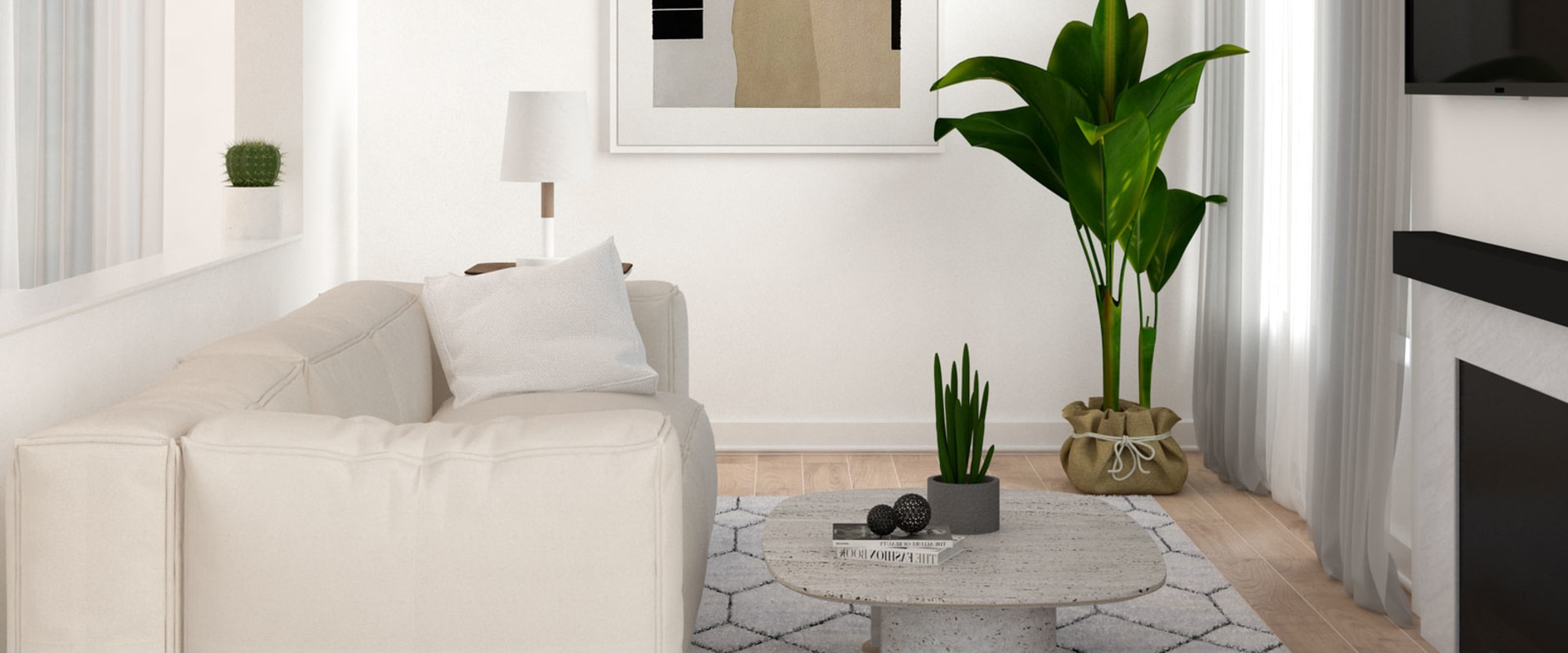
When it comes to choosing the right colors for small spaceschoosing the right colors for small spaces, the decision can be both exciting and daunting. The hues you select can transform a cramped room into a cozy sanctuary or make it feel even more confined. Understanding the psychological effects of color, along with practical design principles, is essential for maximizing the potential of every square foot in your home. In this article, we will explore effective strategies and tips for selecting the perfect color palette that not only enhances the aesthetics of your small spaces but also creates an inviting atmosphere.
Whether you're renovating a tiny apartment or refreshing a compact room in your house, the right colors can elevate your design and improve how you feel in these areas. Join us as we delve into the art of color selection, uncovering the secrets behind light-enhancing shades, depth-creating tones, and how to harmonize your color scheme with existing elements. Let’s embark on this colorful journey together and discover how to make your small spaces feel larger, brighter, and more personalized!Choosing the right colors for small spaces is a crucial aspect of interior design that can significantly influence the perception of size and the overall aesthetic of a room. When tackling this challenge, several factors come into play, including lighting, room function, and personal style. Understanding these elements can help homeowners make informed decisions that enhance their living spaces. Lighting is one of the most important considerations when selecting colors for small areas. Whether you're renovating a tiny apartment or refreshing a compact room in your house, the right colors can elevate your design and improve how you feel in these areas. Join us as we delve into the art of color selection, uncovering the secrets behind light-enhancing shades, depth-creating tones, and how to harmonize your color scheme with existing elements. Let’s embark on this colorful journey together and discover how to make your small spaces feel larger, brighter, and more personalized!Choosing the right colors for small spaces is a crucial aspect of interior design that can significantly influence the perception of size and the overall aesthetic of a room. When tackling this challenge, several factors come into play, including lighting, room function, and personal style. Understanding these elements can help homeowners make informed decisions that enhance their living spaces. Lighting is one of the most important considerations when selecting colors for small areas.
Natural light can drastically affect how colors appear throughout the day. For instance, a color that looks vibrant in bright sunlight may appear muted in a dimly lit room. Therefore, it’s essential to assess the amount of natural light a space receives before committing to a color palette. In Southern California, where abundant sunshine is typical, homeowners often opt for lighter shades that reflect light and create an airy atmosphere.
These shades not only enhance the feeling of spaciousness but also align with the region's relaxed and open aesthetic. The function of the room also dictates color choices. For instance, kitchens and bathrooms typically benefit from colors that evoke cleanliness and freshness. Light blues and greens are popular in Southern California homes, as they complement the coastal vibe while making these small spaces feel larger and more inviting. In contrast, a cozy den or bedroom might embrace richer colors like deep blues or warm earth tones to create an intimate atmosphere. These shades not only enhance the feeling of spaciousness but also align with the region's relaxed and open aesthetic. The function of the room also dictates color choices. For instance, kitchens and bathrooms typically benefit from colors that evoke cleanliness and freshness. Light blues and greens are popular in Southern California homes, as they complement the coastal vibe while making these small spaces feel larger and more inviting. In contrast, a cozy den or bedroom might embrace richer colors like deep blues or warm earth tones to create an intimate atmosphere.
This duality illustrates how understanding room function can guide homeowners in their color selection process. Moreover, personal style is a key factor in choosing colors for small spaces. While trends can provide inspiration, it's essential for homeowners to infuse their unique tastes into their renovation projects. For example, if someone has a penchant for bohemian decor, incorporating vibrant jewel tones or eclectic patterns can bring character to a compact living area. On the other hand, those who prefer a minimalist approach may lean towards soft neutrals or monochromatic schemes to maintain a sense of calm and simplicity. The psychological effects of color should not be overlooked when selecting hues for small spaces.
Lighter colors such as whites, creams, and pastels can create an illusion of openness and airiness, making the room feel larger than it actually is. Conversely, darker shades like navy blue or charcoal can add depth and coziness but may also make the space feel more confined if overused. Striking the right balance between these contrasting effects is vital in achieving an inviting yet spacious atmosphere. In Southern California homes, several successful color palettes have emerged as favorites among homeowners looking to maximize their small spaces. A common choice for small kitchens includes soft whites paired with sandy beiges or muted greens.
This combination not only reflects light beautifully but also complements the natural landscapes of the region. Similarly, bathrooms often feature pale blues or seafoam greens with white accents to evoke a serene spa-like environment. Local trends also play a significant role in color selection for renovated homes. The Southern California aesthetic often incorporates earthy tones that reflect the surrounding environment, such as terracotta or olive green. These colors can be adapted to individual tastes by pairing them with modern finishes or eclectic accessories that showcase personal style while still adhering to regional influences. It's important to acknowledge that disagreements regarding color preferences are normal among homeowners and designers alike.
Personal style varies widely, and what resonates with one individual may not appeal to another. Emphasizing that there is no definitive 'right' or 'wrong' choice when it comes to color allows homeowners to explore their creativity freely and choose palettes that genuinely reflect their tastes. Ultimately, choosing the right colors for small spaces involves a thoughtful consideration of lighting, room function, and personal style while being mindful of local trends that inspire designs in Southern California homes. By understanding how different colors affect perception and ambiance, homeowners can create beautiful, functional spaces that enhance their overall living experience.
Understanding Color Psychology
Color psychology plays a pivotal role in interior design, especially in small spaces, where every detail counts. The colors we choose can significantly influence our emotions and perceptions, making it essential to align color selections with the desired atmosphere. For instance, warm colors like reds, oranges, and yellows can evoke feelings of warmth and energy, creating an inviting environment.However, in small spaces, these colors can also feel overwhelming if overused. Instead, consider using them as accents against a more neutral background to maintain balance. On the other hand, cool colors such as blues and greens tend to promote tranquility and spaciousness. These hues can create a serene atmosphere that makes small areas feel larger and more open. Light shades of these colors can reflect natural light, enhancing the illusion of space. Additionally, neutral tones like whites, grays, and beiges serve as versatile bases that can harmonize with various decor styles.
They provide a blank canvas that allows for creativity without dominating the space. Ultimately, understanding how different colors impact mood is crucial in small space design. The right palette not only enhances aesthetic appeal but also contributes to a sense of comfort and well-being. As you embark on your renovation journey, consider how each color choice aligns with your vision for the space.
Sustainable Color Choices
When choosing colors for small spaces, it’s essential to consider not only aesthetics but also the environmental impact of our selections.Sustainable color choices
can significantly reduce the carbon footprint of your renovation project while enhancing the beauty of your home. One of the best ways to achieve this is by opting for eco-friendly paint options.Many manufacturers now offer paints that are free from volatile organic compounds (VOCs), which can be harmful to both health and the environment. These paints are available in a wide array of colors and finishes, allowing homeowners to find the perfect hue without compromising on sustainability. Additionally, consider using natural pigments or mineral-based paints, which are derived from natural sources and provide a unique aesthetic. These options not only contribute to a healthier indoor air quality but also add a distinctive charm to small spaces. Incorporating sustainable practices extends beyond just the choice of paint. Think about recycling materials, reusing existing furniture, or even upcycling decor items in similar shades to create a cohesive color palette.
This approach not only aligns with eco-friendly principles but also adds character and individuality to your home. By making informed decisions that prioritize sustainability, you can create a beautiful and environmentally conscious space that reflects the vibrant style of Southern California while being mindful of our planet.
The Impact of Lighting on Color Perception
Understanding how lighting affects color perception is crucial when choosing the right colors for small spaces. The way colors appear can significantly change depending on the type of light present in a room. Natural light, for instance, varies throughout the day; morning light is often cooler and softer, while afternoon light can be brighter and more intense. This shift can make a color look different at various times, which is essential to consider when planning your color schemes.Artificial lighting also plays a key role in how colors are perceived.Different types of bulbs emit varying wavelengths of light, which can either enhance or distort the appearance of paint colors. For example, incandescent bulbs tend to warm up colors, giving them a golden hue, while fluorescent lights can create a cooler and sometimes stark effect. Understanding these differences will help you select colors that not only look good under one type of light but also maintain their appeal under others. To ensure your chosen shades work well in your space, it’s advisable to test paint samples under different lighting conditions. Apply swatches to the walls and observe them at different times of the day and under various lighting scenarios.
This practice will give you a clearer idea of how the colors will appear in your home and help you avoid surprises once the renovation is complete. In Southern California homes, where natural light is abundant, it’s particularly important to consider how sunlight will interact with your selected colors. The vibrant and diverse architectural styles in the region may also inspire unique color combinations that harmonize beautifully with the local environment.
Using Accent Colors Wisely
Accent colors play a crucial role in enhancing the visual appeal of small spaces. They can add depth, interest, and personality without overwhelming the area. When used correctly, accent colors can create focal points that draw the eye and make a room feel more expansive. In small spaces, it’s important to choose accent colors that complement the base color palette.For instance, if your walls are painted in a soft, light hue, consider incorporating vibrant accent colors through accessories like cushions, artwork, or decorative items. This contrast not only adds visual interest but also helps to delineate different areas within an open-concept space. Another effective strategy is to use accent colors on smaller features rather than large surfaces. For example, painting a single door or a piece of furniture in a bold color can provide a striking focal point without overwhelming the space. This approach maintains the overall cohesion of the room while injecting personality and charm. When selecting your accent colors, consider the natural light in your Southern California home.
Bright, sunny environments often allow for bolder choices, as colors appear more vibrant and lively in well-lit spaces. Meanwhile, darker areas may benefit from lighter or softer accent colors that can help to brighten the room and create an illusion of more space. Ultimately, the key to using accent colors wisely in small spaces is moderation and balance. Too many bold colors can create a chaotic atmosphere, while too few can make the space feel flat. Aim for a harmonious blend that reflects your personal style while enhancing the architectural features of your renovated home.
Best Colors for Small Spaces
When it comes to choosing the right colors for small spaces, the palette you select can significantly impact how spacious and inviting a room feels.Here are some specific colors that work exceptionally well in compact areas:Whites are often the go-to choice for small spaces. They reflect light, making a room feel airy and open. For instance, a crisp, bright white can create a clean backdrop for furnishings, enhancing the feeling of space. Consider using shades like Decorator's White by Benjamin Moore for a classic look or Simply White for a warmer tone.
Pastels
are another excellent option, offering a soft touch that can brighten up small areas without overwhelming them.Colors like Pale Blue, Soft Pink, or Mint Green can evoke a sense of tranquility while keeping the ambiance light. These hues work beautifully in areas such as bedrooms or bathrooms, where a calming atmosphere is desired.
Soft neutrals
, such as beige, taupe, and greys, provide warmth and sophistication without feeling too dark or heavy. A shade like Revere Pewter by Benjamin Moore can add depth while still maintaining an open feel. These colors are versatile and can be paired with brighter accents to create visual interest. In Southern California homes, these colors not only reflect the local climate but also harmonize with the natural light typical of the region.By selecting from these hues, you can ensure that your small spaces feel larger and more inviting, making them perfect for your renovation projects.
Popular Trends in Southern California
In the vibrant world of interior design, Southern California stands out for its unique blend of natural beauty and contemporary style. This region is renowned for its diverse landscapes, from stunning beaches to arid deserts, which greatly influence the color schemes chosen for small spaces. Currently, there are several prominent trends in color selection that homeowners should consider when renovating their spaces. One of the most popular trends is the use of coastal influences. Soft blues, sandy beiges, and crisp whites mimic the serene colors found along the Pacific coast.These shades not only evoke a sense of calm but also create an illusion of openness, making small rooms feel larger and more inviting. Incorporating elements like ocean-inspired decor can further enhance this theme, allowing homeowners to feel connected to the tranquil beach environment. Another trend gaining traction in Southern California is the adoption of desert-inspired palettes. Warm earth tones such as terracotta, muted yellows, and rich browns reflect the stunning sunsets and rugged landscapes of the desert regions. These colors bring warmth and coziness to small spaces while also grounding them in nature.
Pairing these hues with natural textures like wood or stone can create a harmonious blend that feels both stylish and organic. Additionally, many designers are embracing bold accents against neutral backdrops. For instance, a small room painted in soft gray or beige can be beautifully complemented by vibrant splashes of coral or teal through furniture or accessories. This technique allows for personalization without overwhelming the space, making it an excellent choice for those looking to express their individuality. Ultimately, the key to choosing the right colors for small spaces in Southern California is to draw inspiration from the local surroundings. By selecting colors that reflect the beauty of the region—whether it's the calming blues of the ocean or the warm tones of the desert—homeowners can create inviting and stylish environments that truly resonate with their personal aesthetic. In conclusion, choosing the right colors for small spaces is not just about aesthetics; it plays a crucial role in enhancing the functionality and overall ambiance of a room.
Throughout this article, we have explored the significance of color psychology, identified the best colors for small spaces, and discussed the effective use of accent colors. We have also examined how lighting can alter color perception and highlighted popular trends in Southern California that influence our choices. Additionally, we emphasized the importance of making sustainable color choices to promote eco-friendly living. As you embark on your renovation journey, remember that thoughtful color selection can truly transform your space. We encourage you to explore various options and consult with local contractors or designers who can provide personalized advice tailored to your unique needs.
Your small space deserves colors that reflect your style while creating an inviting atmosphere.