- Eco-Friendly Renovation Practices in Southern California
- Sustainable Materials Choices
- Bamboo flooring options
Exploring Bamboo Flooring Options for Your Home Renovation
Discover eco-friendly bamboo flooring options for your home renovation projects in Southern California, including benefits, styles, and tips for hiring local contractors.
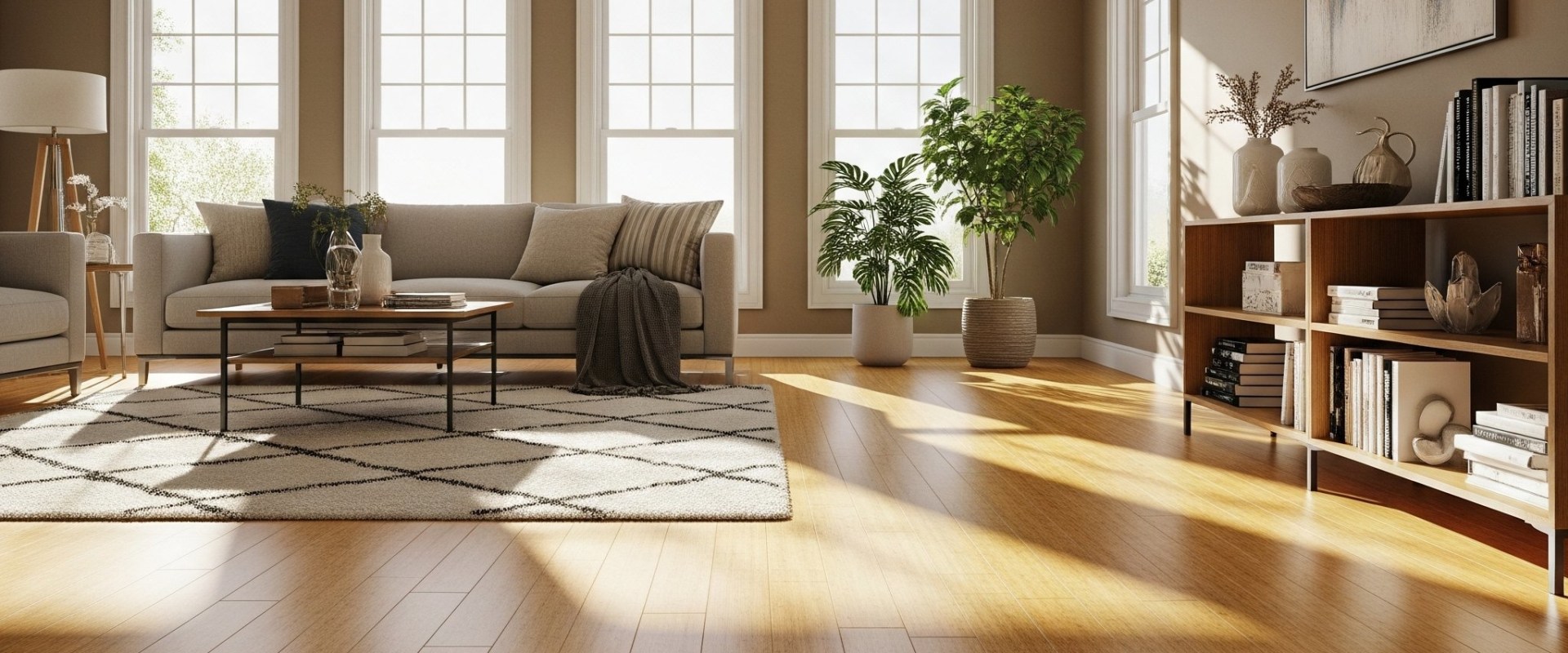
When it comes to home renovations, making sustainable choices is more important than ever. As we seek to minimize our environmental footprint, Bamboo flooring optionsBamboo flooring options have emerged as a popular and eco-friendly alternative to traditional hardwoods. With its rapid growth rate and renewability, bamboo presents a compelling choice for homeowners who want to enhance their living spaces while also being kind to the planet. In this article, we will delve into the various Bamboo flooring options available to you, highlighting their benefits, aesthetic appeal, and practical considerations. Whether you're renovating a cozy cottage or a modern loft, understanding the unique qualities of bamboo can help you make informed decisions that align with your values and design vision. Join us as we explore how bamboo can transform your home into a stylish sanctuary that reflects both your personal taste and your commitment to sustainability.
From the texture and color variations to the installation processes and maintenance tips, we’ll cover everything you need to know about incorporating Bamboo flooring options into your next renovation project. Let's embark on this journey towards a greener, more beautiful home together!The trend toward sustainable materials in home renovations is gaining significant momentum, particularly in environmentally conscious regions like Southern California. Among various eco-friendly options available, into your next renovation project. Let's embark on this journey towards a greener, more beautiful home together!The trend toward sustainable materials in home renovations is gaining significant momentum, particularly in environmentally conscious regions like Southern California. Among various eco-friendly options available, bamboo flooring stands out due to its remarkable properties and aesthetic appeal. As a rapidly renewable resource, bamboo offers numerous environmental benefits while enhancing the visual charm of any home. One of the primary benefits of bamboo flooring is its durability.
Bamboo is known for its strength, which often surpasses traditional hardwoods. It can withstand heavy foot traffic, making it an excellent choice for busy households. Additionally, bamboo is resistant to moisture and pests, further extending its lifespan and usability in various home environments. Sustainability is another key aspect that makes bamboo flooring a preferred choice among eco-conscious homeowners. Bamboo grows exceptionally quickly—some species can reach maturity in just three to five years—making it a highly renewable resource compared to conventional hardwoods that may take decades to regenerate.
By choosing bamboo, homeowners can significantly reduce their carbon footprint and contribute to a more sustainable future. The aesthetic appeal of bamboo flooring is also noteworthy. It offers a unique, modern look that can complement various interior design styles, from contemporary to traditional. The natural variations in color and grain patterns can create a warm, inviting atmosphere in any room. When considering bamboo flooring, it's essential to explore the different types available on the market. The three primary types are strand-woven, horizontal, and vertical bamboo flooring.
Strand-woven bamboo is created by compressing strands of bamboo together, resulting in an incredibly durable product that is often denser than traditional hardwoods. Horizontal bamboo features wider strips laid side by side, showcasing the natural nodes of the bamboo stalks for a distinct look. In contrast, vertical bamboo flooring consists of narrow strips that are stacked vertically, providing a more uniform appearance. Each type has its unique characteristics and can cater to different personal styles and home designs. When selecting the right type of bamboo flooring, consider factors such as your home's overall design theme and your personal style preferences.
For example, if you prefer a more rustic and natural look, horizontal bamboo may be the best fit. On the other hand, if you lean towards a sleek and modern aesthetic, strand-woven or vertical options might be more suitable. The installation process for bamboo flooring can vary based on the type chosen and the existing subfloor conditions. Generally, it can be installed as a floating floor or glued down, depending on your preference and budget. It's advisable to hire a professional installer to ensure proper fitting and avoid potential issues down the line.
Maintenance is relatively straightforward; regular sweeping and occasional damp mopping can keep your bamboo flooring looking pristine. However, it's crucial to avoid excessive water exposure and harsh cleaning chemicals that could damage the surface. While bamboo flooring presents many advantages, there are also some challenges to consider. For instance, it can be susceptible to scratching and denting if not properly cared for. Additionally, not all bamboo products are created equal; therefore, sourcing from reputable suppliers is vital to ensure quality and sustainability.
Look for certifications such as FSC (Forest Stewardship Council) to guarantee that the bamboo has been harvested responsibly. Successful renovations in Southern California often highlight the beauty and functionality of bamboo flooring. Many homeowners have transformed their living spaces by incorporating this sustainable material into their designs, creating warm and inviting environments that reflect their commitment to eco-friendly practices. These examples serve as inspiration for others looking to make similar choices in their renovation projects. Addressing common concerns or misconceptions about bamboo flooring is essential for providing a balanced perspective. Some may believe that bamboo flooring lacks authenticity compared to traditional hardwoods; however, many high-quality bamboo products boast exceptional craftsmanship that rivals conventional options.
Others may worry about its longevity; when properly maintained, bamboo flooring can last for decades just like any other hardwood floor. In conclusion, exploring various bamboo flooring options opens up exciting possibilities for homeowners aiming for an eco-friendly renovation. With its numerous benefits—including durability, sustainability, and aesthetic appeal—bamboo stands out as a leading choice in sustainable materials for home design.
Benefits of Bamboo Flooring
Bamboo flooring is rapidly gaining traction among homeowners looking to make eco-conscious choices in their renovations. One of the primary benefits of bamboo is its eco-friendly nature. As a fast-growing grass, bamboo can be harvested in just three to five years, making it a highly renewable resource.This rapid growth rate allows for sustainable harvesting practices that have a lower environmental impact compared to traditional hardwoods, which can take decades to mature. In addition to its sustainability, bamboo flooring is renowned for its exceptional durability. When properly processed, bamboo can be as strong as or even stronger than hardwood. This resilience makes it ideal for high-traffic areas in the home, ensuring that it can withstand everyday wear and tear while maintaining its aesthetic appeal. From a financial standpoint, bamboo flooring is also quite cost-effective. While the initial investment may vary depending on the quality and brand, bamboo typically offers a lower price point compared to many hardwood options.
Furthermore, its longevity and resistance to damage mean that homeowners can save money in the long run by reducing the need for replacements or repairs. Finally, the aesthetic versatility of bamboo flooring cannot be overlooked. Available in various styles, colors, and finishes, bamboo can complement a wide range of interior design themes, from modern minimalist to rustic chic. This adaptability allows homeowners to create a cohesive look throughout their space while enjoying the natural beauty that bamboo brings.
Types of Bamboo Flooring
Bamboo flooring comes in various styles, each offering unique aesthetics and characteristics to suit different tastes and home designs. Understanding these options can help homeowners make an informed choice that aligns with their renovation goals.Strand-Woven Bamboo Flooring
is one of the most durable types available.It is made by compressing shredded bamboo fibers with adhesives under high pressure, resulting in a dense and resilient material. This option is ideal for high-traffic areas, as it provides excellent scratch and dent resistance while maintaining a beautiful finish. Another popular choice is Horizontal Bamboo Flooring, which showcases the natural grain of the bamboo stalks. This style features wider planks with a unique texture, offering a more traditional look. The horizontal orientation emphasizes the bamboo's natural beauty and can add warmth to any room. On the other hand, Vertical Bamboo Flooring presents a more contemporary appearance.
This type consists of narrow strips that are glued together vertically, creating a sleek and modern aesthetic. The vertical orientation gives the illusion of higher ceilings and can make spaces feel larger, making it an excellent choice for smaller rooms. Each type of bamboo flooring presents its own advantages, allowing homeowners to choose a style that complements their interior design while benefiting from the eco-friendly attributes of bamboo.
Installation and Maintenance Tips
Installing bamboo flooring can be a rewarding DIY project, but it’s essential to follow proper procedures to ensure a successful outcome. Begin by preparing the subfloor; it should be clean, dry, and level. Use a moisture barrier if necessary, especially in areas prone to humidity.Acclimate your bamboo planks by leaving them in the installation area for at least 48 hours. This step helps prevent warping after installation. When laying down the bamboo flooring, use the tongue-and-groove method for a snug fit. It’s advisable to leave a small gap around the perimeter of the room to allow for natural expansion and contraction. Ensure you secure the planks properly, using nails or glue as needed, depending on whether you choose a floating or glued-down installation. Once installed, maintaining your bamboo flooring is crucial for longevity.
Regular cleaning should be done with a soft broom or vacuum designed for hard surfaces to avoid scratches. For deeper cleaning, use a damp mop with a pH-neutral cleaner specifically formulated for bamboo. Avoid using harsh chemicals that can damage the finish. To protect your bamboo flooring from wear and tear, place doormats at entryways and consider using furniture pads under heavy items. Additionally, keep an eye on humidity levels in your home; using a humidifier in dry seasons can help maintain the integrity of your flooring. By following these installation and maintenance tips, you can enjoy the beauty and sustainability of bamboo flooring for years to come while contributing to eco-friendly practices in your home renovation.
Inspiration from Local Renovations
Southern California is known for its innovative design and commitment to sustainability, making it a prime location for the integration of bamboo flooring in home renovations.Many homeowners are turning to this eco-friendly material not only for its environmental benefits but also for its aesthetic appeal. One stunning example can be found in a recently renovated beach house in Malibu, where bamboo flooring has been used throughout the open-concept living space. The light tones of the bamboo complement the natural sunlight streaming in through large windows, creating a warm and inviting atmosphere. Another inspiring project took place in a mid-century modern home in Los Angeles, where the owners opted for bamboo flooring to enhance the home's organic feel. The choice of bamboo not only aligns with their values of sustainability but also accentuates the home’s architectural features, providing a seamless flow between indoor and outdoor spaces.
This renovation showcases how bamboo flooring can be both functional and stylish, proving that eco-conscious choices can elevate design. In addition, a family in San Diego transformed their traditional home by incorporating bamboo flooring into their kitchen and dining areas. This choice not only reduced their carbon footprint but also added a contemporary touch to their living space. The durability of bamboo makes it an excellent choice for high-traffic areas, ensuring that the floors withstand daily wear while maintaining their beauty over time. These examples illustrate that bamboo flooring is not just a passing trend; it’s a viable option for homeowners looking to renovate sustainably while enhancing the overall aesthetic of their homes. As more Southern California residents embrace eco-friendly practices, bamboo flooring continues to gain popularity, proving that style and sustainability can go hand in hand.
Finding Local Contractors in Southern California
When it comes to installing bamboo flooring, finding the right contractor is crucial to ensure a high-quality finish and a seamless process.Here are some tips to help you locate reputable contractors who specialize in bamboo flooring installation in Southern California. First, start by conducting online research. Utilize platforms like Yelp, Angie's List, or Houzz to find local contractors with positive reviews specifically mentioning bamboo flooring. Pay attention to their ratings and the feedback provided by previous clients to gauge their reliability and expertise. Next, consider asking for recommendations from friends, family, or neighbors who have recently completed renovation projects involving bamboo flooring. Personal referrals can often lead you to trustworthy professionals who have proven their skills. Once you've compiled a list of potential contractors, make sure to check their credentials.
Verify that they are licensed and insured to work in California. This protects you from any liability in case of accidents during installation and ensures that the contractor meets local building codes. It’s also beneficial to request quotes from multiple contractors. This will give you a sense of the market rates for bamboo flooring installation and allow you to compare services offered. Be wary of quotes that seem significantly lower than others, as they might indicate lower quality work or materials. Finally, arrange for consultations with your shortlisted contractors.
During these meetings, discuss your vision for your home renovation and ask about their experience with bamboo flooring. A good contractor will be able to provide insights on the best types of bamboo flooring for your space and answer any questions you might have about the installation process. By following these tips, you can find a reputable contractor who specializes in bamboo flooring, ensuring that your renovation is both beautiful and sustainable. In conclusion, we have explored the many advantages of bamboo flooring options for your home renovation. Not only does bamboo offer remarkable durability and aesthetic appeal, but it also stands out as a sustainable choice that aligns with eco-friendly practices. The versatility of bamboo flooring types allows homeowners to find the perfect fit for their style and needs, while its ease of installation and maintenance makes it a practical option for any renovation project. As we've discussed, collaborating with local contractors in Southern California who prioritize sustainable materials is essential.
They can provide the expertise and knowledge necessary to ensure your renovation not only looks great but also supports environmental responsibility. We encourage you to consider bamboo flooring as a viable option for your next home improvement project, embracing both style and sustainability.