- Interior Design Tips for Renovated Homes
- Accessorizing Your Newly Renovated Home
- Selecting artwork that complements design themes
Enhancing Your Space: Choosing Artwork that Complements Design Themes
Discover how to select artwork that enhances your renovated home's design themes, with tips tailored for Southern California homeowners.
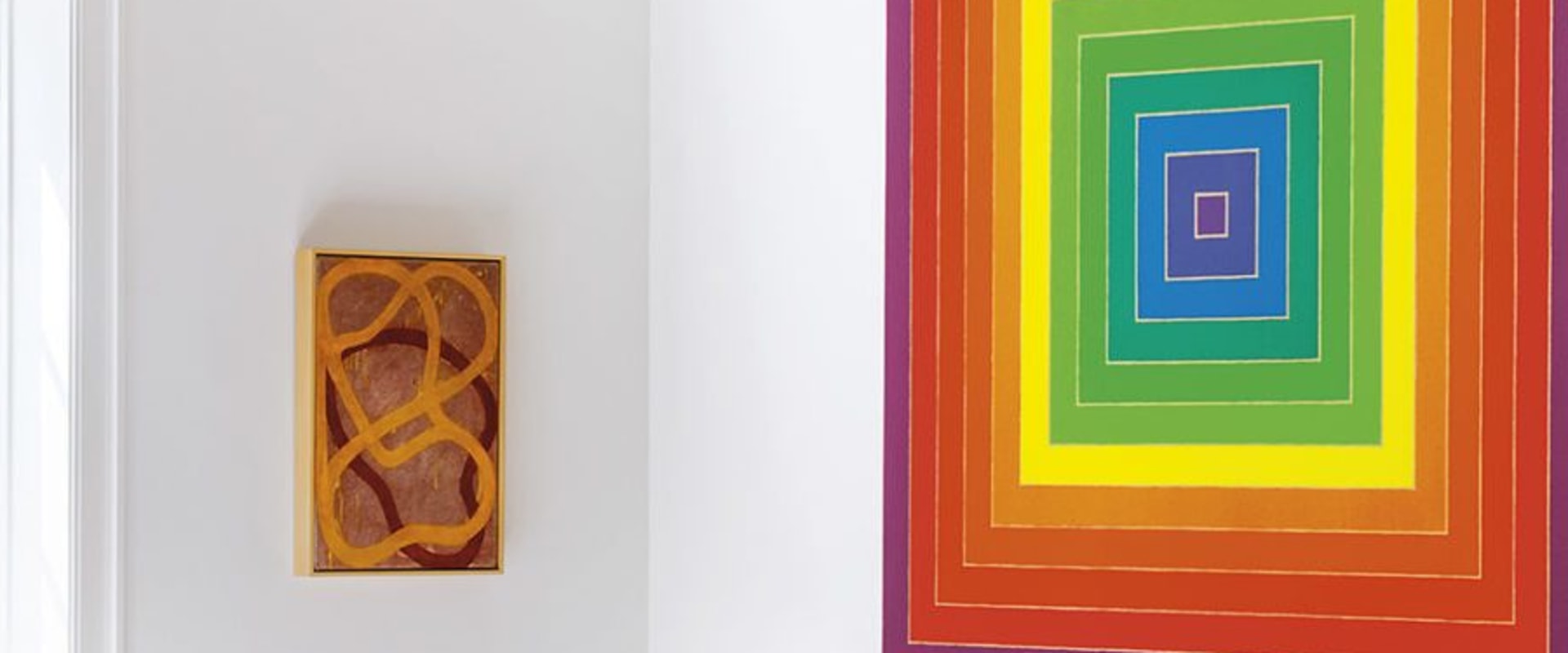
Welcome to a world where every brushstroke, hue, and texture plays a significant role in transforming your living space into a sanctuary of style. Selecting artwork that complements design themes is not just about adorning walls; it’s about creating a harmonious narrative that resonates with your personal taste and the overall aesthetic of your home.
Enhancing Your Space
with the right pieces can elevate the ambiance, drawing attention to the finest details of your renovation while ensuring that each element works in concert to tell a cohesive story. In this article, we delve into the art of choosing pieces that not only reflect your personality but also align seamlessly with various design themes. Whether your home embraces a modern minimalism, rustic charm, or eclectic flair, understanding how to select artwork that enhances these styles is crucial.From color palettes to thematic coherence, we will explore essential tips and insights that will empower you to make informed decisions. So, are you ready to uncover the secrets of selecting artwork that breathes life into your newly renovated home? Join us as we guide you through this creative journey, where art meets design and personal expression takes center stage. Selecting artwork that complements design themes is crucial for creating a cohesive and inviting atmosphere in your newly renovated home. The right pieces can not only enhance the aesthetic appeal of your space but also add layers of personality and depth. Understanding the overall design theme of your home is the first step in this process. Whether you have embraced a coastal, modern, or rustic aesthetic typical of Southern California, the artwork you choose should harmonize with these elements to create a unified look. When considering artwork, one must pay attention to the color palette.
Colors play a vital role in establishing mood and ambiance. For instance, if your home features a light and airy coastal theme with soft blues and whites, selecting artwork that incorporates these hues can reinforce that serene feeling. On the other hand, a modern design may benefit from bold, vibrant colors that provide contrast and excitement. Always aim for a balance; too many clashing colors can create visual chaos rather than harmony. The scale and proportion of the artwork are equally important.
Oversized pieces can serve as stunning focal points in larger rooms, while smaller works can be grouped together to create an interesting gallery wall in more intimate spaces. When selecting art, consider the size of your furniture and the dimensions of your walls. A grand piece above a sofa can anchor the room, while smaller artworks can fill nooks and crannies without overwhelming the space. Another key consideration is to integrate local art that reflects Southern California culture. This region is known for its vibrant arts scene, which ranges from contemporary installations to traditional crafts.
Supporting local artists not only enhances your home’s character but also connects you to the community. Look for art fairs, galleries, and exhibitions showcasing local talent. You might discover an abstract piece that echoes the ocean waves or a landscape painting that captures the stunning sunsets unique to this area. Different styles of artwork can enhance various design themes effectively. For example, if your home embodies a rustic theme with natural materials like wood and stone, landscapes or nature-inspired pieces can seamlessly blend with the environment.
Abstract art, characterized by its unique shapes and colors, often complements modern designs by adding an element of surprise and intrigue. Photography, especially black-and-white images or vibrant local scenes, can also enhance contemporary or eclectic homes by providing a visual narrative that resonates with personal experiences. Mixing various art pieces while maintaining harmony in a room can be challenging yet rewarding. One effective method is to establish a common thread—this could be through color, theme, or framing styles. For instance, using similar frames on different types of artwork can unify a diverse collection and create a cohesive look.
Additionally, varying the heights at which you hang pieces can add visual interest while ensuring they remain connected through their shared characteristics. When sourcing artwork locally, consider visiting art fairs, flea markets, and galleries where artists showcase their work directly. This not only allows you to find unique pieces but also gives you the opportunity to connect with the artists themselves. Many local artists are open to commissions or collaborations, which can lead to bespoke pieces tailored specifically for your space. It’s natural for disagreements on art preferences to arise among family members or housemates since art is inherently subjective. Encourage open discussions about what each person values in art and why certain pieces resonate more than others.
Remind everyone that selecting artwork should reflect personal taste rather than conforming to trends or others’ opinions. Ultimately, your home should feel authentic to you and evoke emotions that enhance your living experience. In conclusion, selecting artwork that complements design themes is a thoughtful process that requires consideration of various factors such as design coherence, color balance, scale, and cultural relevance. By understanding these elements and encouraging personal expression through art, you can curate a beautiful collection that elevates your renovated home into a truly personalized sanctuary.
Scale and Proportion: The Art of Placement
When selecting artwork for your newly renovated home, scale and proportion are crucial factors to consider. The right piece of art can enhance your space, but if it doesn’t fit well within the dimensions of the room or the surrounding furniture, it may detract from the overall aesthetic. First, assess the size of the wall where you plan to hang your artwork.A large, bold piece can serve as a stunning focal point in a spacious room, whereas smaller artworks may get lost on expansive walls. Conversely, in a cozy nook or a smaller room, oversized art can overwhelm the space, making it feel cramped. Striking the right balance is key to creating a harmonious environment. Next, think about the proportions of your furniture and other design elements in the room. For instance, if you have a low-profile sofa, pairing it with a tall piece of art can create visual tension that may not be desirable.
Instead, consider choosing pieces that complement the height and width of your furniture. This approach ensures that your artwork feels integrated into the space rather than an afterthought. Additionally, when arranging multiple pieces, aim for a cohesive look by maintaining consistent spacing and alignment. This will help tie the various elements together and create a sense of unity throughout your design theme. Ultimately, the goal is to select artwork that enhances your renovated home’s aesthetic while considering scale and proportion. By doing so, you will create a welcoming atmosphere that reflects both your personal style and the unique characteristics of your space.
Understanding Your Design Theme
When embarking on a home renovation, one of the first steps is to identify and define the primary design theme that resonates with your vision.This foundational aspect will guide your choices throughout the renovation process, especially when it comes to selecting artwork that enhances your space. To begin, consider the overall aesthetic you wish to achieve. Are you drawn to the sleek lines and minimalism of modern design, or do you prefer the warmth and character of traditional styles? Perhaps you find yourself inclined towards an eclectic mix that combines elements from various periods and cultures. Identifying this theme will help streamline your choices in both furniture and decor. Next, take a look at the existing architecture and design elements in your home. Are there specific features that stand out, such as exposed beams or intricate moldings? These elements can greatly influence your chosen theme and should be considered when selecting artwork.
For example, if you have a coastal renovation with light colors and natural textures, beach-themed art can enhance this vibe beautifully. Additionally, think about the emotional atmosphere you want to create in your space. Different themes evoke different feelings; modern design often feels calm and sophisticated, while rustic styles can bring a sense of comfort and nostalgia. The right artwork can amplify these emotions, making it essential to align your art selections with your overall design theme. Ultimately, understanding your design theme not only sets the stage for a cohesive look but also helps in selecting artwork that truly complements your renovated home. By defining what style resonates with you, you can make informed choices that reflect your personal taste while enhancing the emotional impact of your living space.
Color Coordination: Finding the Right Palette
When selecting artwork, color coordination is crucial to ensure that it enhances your overall design theme.Start by assessing the existing color palette in your space. Take note of the dominant colors in your walls, furniture, and decor. This will provide a foundation for choosing artwork that either complements or contrasts effectively. For a harmonious look, choose artwork that incorporates the same colors as your existing decor. This doesn’t mean you have to match exactly; rather, look for pieces that feature similar hues or tones.
For instance, if your living room is painted in soft blues and whites, consider artwork that has shades of blue or oceanic themes to create a seamless blend. On the other hand, contrasting colors can also play a significant role in defining your space. A bold piece of art with vibrant colors can serve as a statement piece against a neutral background. This contrast draws attention and adds depth to your room. For example, if you have a predominantly beige palette, a striking artwork featuring deep reds or bright yellows can create an exciting focal point. Additionally, consider the emotional impact of color in art.
Colors evoke feelings and set the mood of your space. If you want to create a calming atmosphere, opt for artwork with soft pastels or cool tones. Conversely, if you aim to energize a room, vibrant and warm colors will do the trick. Finally, don't forget about the size and scale of your artwork in relation to your color scheme. A large piece with bold colors can dominate a small space, while smaller pieces in muted tones can get lost in a larger room.
Striking the right balance will ensure that your chosen artwork not only complements but enhances the overall design of your home.
Sourcing Local Art: Supporting Southern California Creatives
When it comes to selecting artwork that complements design themes, sourcing local art not only enhances your space but also supports the vibrant community of artists in Southern California. With its rich tapestry of cultures and styles, this region is home to numerous talented creatives whose work can bring a unique flavor to your home. One of the best ways to discover local artists is by visiting local galleries and art fairs. Events like the Los Angeles Art Show or the Pasadena Bead and Design Show showcase a variety of artworks from both established and emerging artists. These events provide an excellent opportunity to connect directly with creators, allowing you to learn about their inspiration and techniques. In addition to galleries, consider exploring artist collectives or co-op spaces.Places like the Santa Monica Art Studios or the Brewery Art Walk offer a platform for artists to display their work and engage with the community. By purchasing art from these venues, you not only acquire a unique piece but also contribute to the local art scene. Another great resource is social media platforms where many artists showcase their portfolios. Websites like Instagram or Etsy can help you discover Southern California artists who align with your personal taste. Don't hesitate to reach out to them for commissions or inquiries about their work. Lastly, consider visiting local craft fairs or markets, such as the Hollywood Farmers Market, where artisans often sell their creations.
This not only supports local talent but also fosters a sense of community through art. By sourcing local artwork, you are making a statement about your values while enhancing your living space.
Mixing and Matching: Creating an Eclectic Gallery
Creating an eclectic gallery can be a delightful way to express your personality and enhance your space. To successfully blend different art styles and pieces while maintaining a cohesive look, consider the following tips:1.Establish a Color Palette: Begin by selecting a color scheme that resonates throughout your space. This can help unify diverse artwork.Choose three to five colors that complement each other and incorporate them into your art selection.
2.Vary Frame Styles:
Mixing frame styles can add interest and character to your gallery wall. Combine modern frames with vintage ones, or use different materials like wood and metal. Just ensure that the frames share a common element—such as color or texture—to create harmony.3.Mix Scale and Size:
An eclectic gallery thrives on variety, so don’t shy away from mixing large pieces with smaller ones. Use oversized artwork as a focal point, while smaller pieces can create a sense of balance around it.4.Consider Theme and Subject Matter:
While variety is key, aim for a common theme or subject matter that ties the pieces together.This could be nature-inspired art, abstract pieces, or even works from local artists that reflect Southern California’s unique vibe.
5.Create Visual Flow:
Arrange your pieces in a way that guides the eye throughout the display. You can do this by aligning edges or using an invisible grid to maintain structure while allowing for playful overlap.6.Personal Touch:
Incorporate personal items such as family photos or travel souvenirs into your gallery. These elements not only add sentimental value but also help establish a narrative within your eclectic collection.7.Don’t Overcrowd:
While it’s tempting to fill every available space, remember that sometimes less is more. Allow for breathing room between pieces to prevent a cluttered look and give each artwork its moment to shine. By following these tips, you can create an eclectic gallery that reflects your unique style while enhancing the overall design of your newly renovated home. In conclusion, selecting artwork that complements design themes is an essential aspect of enhancing your home’s aesthetic and personal touch.Throughout this article, we have explored the importance of understanding your design theme, coordinating colors effectively, and paying attention to scale and proportion when placing artwork. We also discussed the benefits of sourcing local art, supporting Southern California creatives, and the joy of mixing and matching styles to create an eclectic gallery. Ultimately, choosing the right pieces is a personal journey that should resonate with your individual style and emotional connection to the art. Take your time in selecting artwork that not only enhances the overall look of your renovated space but also reflects who you are. Your home should be a sanctuary that showcases your taste and brings joy every day.