- Eco-Friendly Renovation Practices in Southern California
- Energy Efficiency Upgrades
- Smart home systems for energy savings
Transforming Your Home: Smart Solutions for Energy Efficiency
Explore how smart home systems can enhance energy efficiency in your Southern California renovations, providing tips and insights for eco-friendly upgrades.
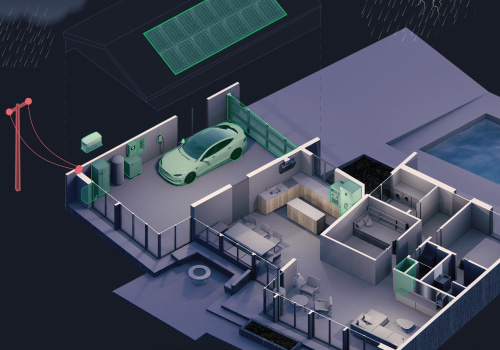
In today's world, where environmental consciousness is at an all-time high, the quest for energy efficiency has become more than just a trend; it is a necessity. Homeowners are increasingly seeking innovative ways to reduce their carbon footprint while simultaneously lowering their energy bills. Enter smart home systems for energy savingssmart home systems for energy savings for energy savingssmart home systems for energy savings, a revolutionary approach to managing household energy consumption that integrates technology with everyday living. Imagine a home that learns your routines, anticipates your needs, and optimizes energy use without you lifting a finger. With smart devices and systems, this is not just a dream but a tangible reality.
From smart thermostats that adjust temperatures based on your presence to automated lighting that dims when you leave a room, these technologies are designed to enhance comfort while promoting sustainability. As part of our commitment to eco-friendly renovation practices in Southern California, we delve into how these smart solutions can transform your living space into an energy-efficient haven. In this article, we will explore the various aspects of integrating smart technology into your home, highlighting the significant impact it can have on both your finances and the environment. Join us on this journey toward a greener future as we uncover the potential of smart home systems and their role in driving energy savings. In recent years, the adoption of smart home systems for energy savings has become increasingly popular among homeowners, especially in regions like Southern California where energy costs can be high and sustainability is a growing concern. These systems leverage technology to create a more efficient living environment, reducing energy consumption and enhancing the overall comfort of homes.
By integrating various smart technologies, homeowners can not only achieve significant cost savings but also contribute to a more sustainable future. One of the most impactful smart home technologies is the smart thermostat. This device learns a homeowner's schedule and preferences, automatically adjusting heating and cooling settings to optimize energy usage. For instance, a smart thermostat can lower the temperature when no one is home or during the night when cooler temperatures are preferred. Real-world examples in Southern California showcase homes that have reduced their heating and cooling costs by up to 30% after installing these devices.
Given the region’s warm climate, the benefits of a smart thermostat can be particularly pronounced. Another key component of smart home systems is automated lighting. This technology allows homeowners to control their lighting remotely or set schedules for when lights should be on or off. By using motion sensors and timers, automated lighting systems ensure that lights are only active when needed, which can lead to substantial energy savings. In Southern California, many eco-friendly renovations have included automated lighting solutions, contributing to both aesthetic appeal and energy efficiency. . This technology allows homeowners to control their lighting remotely or set schedules for when lights should be on or off. By using motion sensors and timers, automated lighting systems ensure that lights are only active when needed, which can lead to substantial energy savings. In Southern California, many eco-friendly renovations have included automated lighting solutions, contributing to both aesthetic appeal and energy efficiency.
For example, a home that integrates natural light with smart lighting can significantly reduce reliance on electricity during daytime hours.
Energy monitoring systems
offer another layer of insight into energy consumption within a home. These systems provide real-time data about energy usage patterns, allowing homeowners to identify areas where they can cut back. By analyzing this data, homeowners in Southern California have been able to reduce their overall energy consumption by making informed decisions about their usage habits. An energy monitoring system can alert users to unusual spikes in energy use, which could indicate an issue with appliances or other electrical systems. The integration of these technologies into renovation projects not only enhances the functionality of homes but also promotes energy efficiency.Many homeowners are now looking for contractors who specialize in eco-friendly renovations to ensure that their upgrades align with sustainable practices. Local contractors in Southern California often have experience with integrating smart home technology into existing structures, making them invaluable partners in renovation projects. While the benefits of smart home systems are clear, some homeowners may have concerns regarding installation costs and complexity. It’s important to note that while initial investments may seem high, the long-term savings on energy bills often justify the expense. Additionally, many modern smart devices are designed for easy installation and user-friendly operation, with detailed guides provided by manufacturers.
Homeowners should also consider that hiring professionals who understand local building codes and regulations can streamline the process, ensuring compliance and safety. When it comes to obtaining necessary permits for renovations involving smart technology installations, it’s crucial for homeowners to consult with their chosen contractors. Local regulations can vary significantly, and having a contractor familiar with these requirements can help mitigate potential legal issues. They can assist in navigating the permit application process and ensure that all installations meet safety standards. In conclusion, the integration of smart home systems for energy savings is not just a trend but an essential shift towards sustainable living. With technologies like smart thermostats, automated lighting, and energy monitoring systems, homeowners can achieve significant cost savings while contributing to environmental sustainability.
As demand for eco-friendly renovations continues to grow in Southern California, embracing these advancements will play a vital role in transforming homes into energy-efficient spaces.
Cost-Effectiveness and Long-Term Benefits
Investing in smart home systems can initially seem daunting due to upfront costs; however, the long-term financial benefits often outweigh these initial expenses. Homeowners in Southern California can experience significant savings on energy bills through the implementation of smart technologies. These systems offer enhanced control over energy consumption, allowing users to monitor and adjust usage patterns based on real-time data. For instance, smart thermostats can learn a household's schedule and optimize heating and cooling accordingly, reducing unnecessary energy use. Additionally, smart lighting solutions enable homeowners to automate lighting based on occupancy, ensuring that energy is not wasted when rooms are unoccupied.By reducing energy consumption, homeowners not only save money but also contribute to a more sustainable environment. Moreover, many local utility companies offer incentives or rebates for homeowners who invest in energy-efficient technologies. This can further mitigate the initial costs associated with installing smart home systems. Over time, the cumulative savings from lower energy bills can lead to a return on investment that makes these systems a financially sound choice. Ultimately, the integration of smart home technologies aligns with the growing trend of eco-friendly renovations. As more homeowners seek to reduce their carbon footprint while improving their living spaces, the cost-effectiveness of these systems makes them an essential aspect of modern home design.
Local Resources and Expert Advice
When considering smart home systems for energy savings, it’s essential to find reliable local contractors who specialize in eco-friendly renovations and smart home installations.Southern California offers a variety of options for homeowners looking to integrate these technologies into their living spaces. One of the best ways to start is by researching local contractors who have a proven track record in energy efficiency upgrades. Look for companies that not only install smart devices but also focus on sustainable practices. Websites like Yelp, Angie's List, and Google Reviews can provide valuable insights into customer experiences and the quality of work performed by these contractors. Additionally, consider reaching out to local trade organizations or eco-friendly building associations in Southern California. These groups often have directories of certified professionals who are knowledgeable about the latest in smart home technologies and can guide you through the installation process. Networking with neighbors or friends who have undertaken similar renovations can also yield recommendations for trustworthy services.
Personal referrals can give you confidence in your choice of contractor, as they come from firsthand experiences. When interviewing potential contractors, ask about their experience with smart home installations specifically. Inquire about the types of systems they recommend for energy savings and how they ensure that installations are compliant with local regulations and building codes. Lastly, ensure that the contractors provide a clear outline of costs and timelines before beginning any work. A well-structured contract will help protect your interests and keep the project on track. By following these tips, you can find reliable local resources that will help transform your home into an energy-efficient haven.
Integrating Smart Systems into Your Renovation
When embarking on a renovation project, homeowners have a unique opportunity to integrate smart home systems that can enhance energy efficiency and contribute to long-term savings.By planning ahead and incorporating these technologies from the outset, you can create a more sustainable living environment. One of the primary areas where smart systems can be effectively integrated is in the kitchen. Consider installing smart thermostats that can learn your cooking habits and adjust the temperature accordingly, reducing energy consumption when not in use. Additionally, smart appliances, such as energy-efficient refrigerators and dishwashers, can be programmed to operate during off-peak hours when electricity rates are lower. This not only saves money but also minimizes the environmental impact of energy production. Bathrooms are another critical area for energy efficiency upgrades.
Incorporating smart showers and faucets that monitor water usage can significantly reduce waste. Furthermore, smart mirrors equipped with LED lighting can provide optimal brightness while consuming less energy compared to traditional lighting options. These innovations not only enhance the functionality of the space but also align with eco-friendly renovation practices. In addition to kitchens and bathrooms, consider integrating smart home systems throughout the entire house. For instance, smart lighting solutions allow homeowners to control their lights remotely or set schedules based on occupancy, further optimizing energy use.
By using motion sensors and dimmers, you can ensure that lights are only on when needed. As you plan your renovation in Southern California, keep in mind that incorporating these smart technologies not only enhances your home's value but also contributes to a more sustainable future. The demand for eco-friendly renovations continues to grow, making smart home systems an essential component of modern home design.
Understanding Smart Home Technologies
As homeowners increasingly seek ways to enhance energy efficiency, smart home systems have emerged as a pivotal solution. These technologies encompass a range of devices and applications designed to optimize household energy consumption while providing convenience and control. One of the most popular categories of smart home systems is the smart thermostat. These devices learn your heating and cooling preferences over time, adjusting the temperature accordingly to minimize energy waste.By utilizing algorithms and real-time data, smart thermostats can significantly reduce energy usage, especially when integrated with other systems like HVAC units. Another vital component in smart home technology is smart lighting. Utilizing LED bulbs paired with smart switches or hubs, homeowners can program lights to turn off automatically when not needed or adjust brightness based on natural light availability. This not only enhances convenience but also leads to substantial energy savings over time.
Smart appliances
, including refrigerators, washers, and dryers, are designed to operate more efficiently than their traditional counterparts. Many of these appliances can be monitored and controlled remotely through smartphone applications, allowing users to run them during off-peak hours when energy costs are lower.Smart power strips
and outlets also play a crucial role in energy conservation.These devices can detect when electronics are in standby mode and cut power to prevent unnecessary energy drain. This 'phantom load' can account for a significant portion of home energy consumption. The integration of home automation systems further enhances the benefits of smart technologies. Systems such as Amazon Alexa, Google Assistant, or dedicated hubs like Samsung SmartThings, allow homeowners to manage multiple devices from a single interface. This holistic approach enables optimized energy usage across various systems, contributing to overall savings. In conclusion, the adoption of smart home technologies not only promotes energy efficiency but also aligns with the growing trend towards eco-friendly renovations in Southern California.
By incorporating these systems, homeowners can contribute to a more sustainable future while enjoying the comfort and convenience that modern technology offers. In conclusion, the integration of smart home systems into your renovation plans represents a pivotal step towards achieving energy efficiency and enhancing sustainable living. As we have discussed, these technologies not only offer significant energy savings but also align with the growing demand for eco-friendly renovations in Southern California. The adoption of smart systems can help homeowners monitor and manage their energy consumption effectively, leading to lower utility bills and a reduced carbon footprint. By leveraging local resources and expert advice, you can tailor these upgrades to fit your specific needs and maximize their benefits. As you embark on your renovation journey, we encourage you to consider the potential of smart home technologies as a fundamental component of your project. Embracing these innovations is not just an investment in your home, but also a commitment to a more sustainable future.