- Home Renovation Ideas in Southern California
- Popular Renovation Styles
- Spanish revival
Embracing the Charm of Spanish Revival in Southern California Homes
Discover the beauty and details of Spanish Revival architecture and how to incorporate it into your home renovation projects in Southern California.
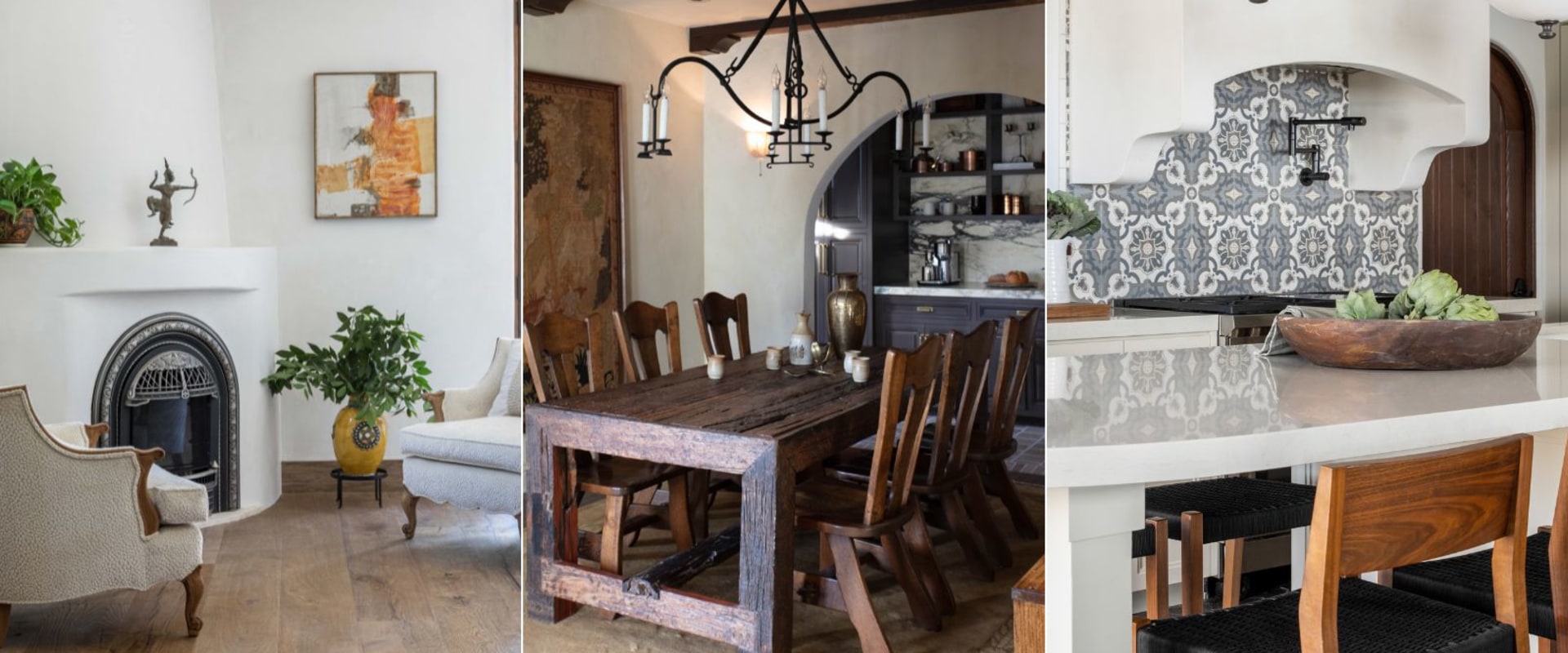
In the vibrant tapestry of Southern California's architectural landscape, few styles evoke as much charm and character as the Spanish RevivalSpanish Revival. This enchanting design movement, which gained prominence in the early 20th century, draws inspiration from Spain's rich history and cultural heritage, marrying it beautifully with the laid-back lifestyle of the Golden State. As you step into a Spanish Revival home, you are immediately transported to sun-drenched courtyards adorned with intricate tile work, gracefully arched doorways, and lush, inviting gardens. Each element reflects a harmonious blend of form and function, inviting warmth and a sense of tranquility into your living space. The allure of Spanish Revival architecture lies not only in its aesthetic appeal but also in its ability to foster a sense of community and connection.
Whether it's the vibrant colors that adorn stucco walls or the handcrafted details that tell a story of craftsmanship, this style embodies a spirit that resonates with those seeking to create a sanctuary in the heart of Southern California. As homeowners embark on renovation projects, many are drawn to the timeless elegance of Spanish Revival, eager to incorporate its distinctive features into their homes. In this article, we will explore the captivating elements that define Spanish Revival homes and provide inspiration for those looking to embrace this style in their own renovations. From the iconic terracotta roof tiles to the decorative wrought-iron accents, we will uncover how these details can transform ordinary spaces into extraordinary havens. Join us as we delve into the world of Spanish Revival and discover how you can infuse your home with its unique charm. The Spanish Revival architectural style is a celebration of heritage, blending the influences of Spanish and Moorish designs that flourished in Southern California during the early 20th century.
Its historical significance is deeply rooted in the region's cultural tapestry, making it a popular choice for homeowners who wish to embrace a style that reflects both tradition and modernity. The allure of Spanish Revival homes lies not only in their aesthetic appeal but also in their ability to evoke a sense of warmth and character. Key characteristics of Spanish Revival architecture include stucco exteriors that create a smooth, rustic look, red tile roofs that add a vibrant contrast to the facades, and arched doorways that invite guests into the home. Additionally, wrought iron details, such as railings and light fixtures, contribute to the decorative richness typical of this style. These elements can be seamlessly integrated into renovation projects by focusing on authenticity while allowing for modern comforts.
For instance, if a homeowner is renovating a living room, they could replace conventional doors with arched ones and incorporate wrought iron accents through light fixtures or decorative grilles. Successful transformations often begin with a clear vision of how to incorporate these iconic features while maintaining the home's historical integrity. Homeowners can look for inspiration in local neighborhoods known for their Spanish Revival architecture, where they may find examples of renovated homes that highlight these key characteristics beautifully. Incorporating local artistry, such as handcrafted tiles or custom ironwork, can further enhance the authenticity of the renovation. When embarking on a Spanish Revival renovation, selecting the right contractors is crucial. Homeowners should seek professionals who specialize in this architectural style, as they will have the necessary knowledge and experience to execute renovations that respect the home's character.
Asking for references and reviewing previous projects can help ensure that homeowners choose contractors who are not only skilled but also passionate about preserving historical elements while updating homes. Obtaining permits is another essential aspect of Spanish Revival renovations, especially for historic homes. Homeowners should familiarize themselves with local regulations regarding renovations to ensure compliance with preservation standards. It’s advisable to consult with local preservation boards or historical societies which can provide guidance on what changes are permissible without compromising the home's historical value. Sustainable practices are increasingly important in home renovations. Homeowners looking to modernize their Spanish Revival homes can consider integrating energy-efficient windows that maintain the aesthetic while improving insulation.
Eco-friendly materials, such as reclaimed wood or low-VOC paints, can also be utilized to minimize environmental impact while enhancing the beauty of the home. Common concerns regarding Spanish Revival renovations often stem from misconceptions about the style being too restrictive or expensive to implement authentically. However, embracing this style does not mean sacrificing modern conveniences or overspending. By carefully selecting which elements to incorporate and collaborating with knowledgeable contractors, homeowners can achieve a balance between historical fidelity and contemporary living. Ultimately, Spanish Revival architecture offers a unique opportunity for homeowners to connect with their home’s cultural roots while creating spaces that are both inviting and functional. By understanding the key characteristics of this style and thoughtfully planning renovations, homeowners can not only enhance their living spaces but also celebrate the rich heritage that Spanish Revival architecture brings to Southern California.
Sustainable Renovation Practices
As homeowners embark on the journey of renovating their Spanish Revival homes, incorporating sustainable practices can significantly enhance both the aesthetic and environmental value of these cherished properties.The Spanish Revival style is renowned for its use of natural materials and traditional craftsmanship, making it well-suited for eco-friendly upgrades. One effective approach is to use reclaimed materials, such as salvaged wood beams or vintage tiles, which not only preserve the historical integrity of the home but also reduce waste. These materials can often be sourced from local suppliers, minimizing transportation emissions and supporting the community. In terms of energy efficiency, homeowners can consider installing high-performance windows that mimic the look of traditional Spanish Revival designs while providing better insulation. This upgrade helps maintain the home’s temperature, reducing reliance on heating and cooling systems. Additionally, integrating solar panels discreetly into the roof design aligns with the Spanish Revival aesthetic while promoting renewable energy use. Modern technology allows for sleek installations that blend seamlessly with the distinctive style of the home. Water conservation is also a key aspect of sustainable renovation.
Homeowners can implement drought-tolerant landscaping that reflects the Mediterranean roots of Spanish Revival architecture. Native plants and efficient irrigation systems not only conserve water but also enhance the outdoor spaces characteristic of this style. Finally, utilizing low-VOC (volatile organic compounds) paints and finishes ensures that indoor air quality remains high, making the home healthier for its inhabitants while staying true to the historic charm. By embracing these sustainable renovation practices, homeowners can honor the rich heritage of Spanish Revival architecture while fostering a more environmentally friendly living space.
Finding the Right Contractors
When embarking on a Spanish Revival renovation, finding the right contractors is crucial to ensure that your project reflects the authentic charm of this architectural style. The first step is to conduct thorough research to identify contractors who specialize in Spanish Revival homes.Start by checking online reviews and testimonials from previous clients to gauge their reliability and quality of work. Networking can also be an effective way to find reputable contractors. Speak with friends, family, or neighbors who have undertaken similar renovations. They may provide valuable recommendations based on their experiences. Additionally, local home improvement stores or architectural firms often have lists of trusted contractors who are familiar with Start by checking online reviews and testimonials from previous clients to gauge their reliability and quality of work. Networking can also be an effective way to find reputable contractors. Speak with friends, family, or neighbors who have undertaken similar renovations. They may provide valuable recommendations based on their experiences. Additionally, local home improvement stores or architectural firms often have lists of trusted contractors who are familiar with Spanish Revival designs. Once you have a shortlist of potential contractors, arrange for consultations to discuss your vision and assess their understanding of the Spanish Revival style.
During these meetings, inquire about their previous projects, specifically any that involved Spanish Revival renovations. This will help you determine if they have the necessary expertise. It’s also important to ask about their licensing and insurance. A reputable contractor should be licensed to operate in your area and carry adequate insurance to protect you from liability during the renovation process. Finally, obtain detailed quotes from multiple contractors and compare them not just on price but also on the scope of work and materials used. In summary, finding the right contractor for your Spanish Revival renovation involves a combination of research, networking, and careful vetting.
By taking these steps, you can ensure that your renovation project is in capable hands, preserving the unique beauty and character of Spanish Revival architecture.
Incorporating Spanish Revival into Your Renovation
Integrating Spanish Revival features into your existing home can transform its aesthetic and enhance its cultural charm. Here are some practical tips to help you embrace this captivating style in your renovation projects.1.Architectural Elements:
Begin by considering the architectural elements characteristic of Spanish Revival homes. Look for opportunities to add arched doorways, rounded windows, and decorative tile accents. These features can be integrated into new construction or renovations to create that authentic look.2.Color Palette:
The Spanish Revival style is known for its warm, earthy color palette.Choose hues like terracotta, deep reds, and warm yellows for exterior paint and interior walls. These colors not only reflect the natural beauty of Southern California but also evoke a sense of warmth and hospitality.
3.Flooring:
Consider adding traditional materials such as Saltillo tiles or decorative cement tiles. These flooring options are not only durable but also visually striking, providing a perfect backdrop for your Spanish Revival design elements.4.Outdoor Spaces:
The essence of Spanish Revival architecture is often found in its connection to outdoor spaces. Create inviting patios or courtyards featuring wrought-iron furniture, lush greenery, and vibrant tile work to enhance the outdoor living experience.5.Decorative Details:
Incorporate intricate details like wrought iron railings, wooden beams, and hand-painted tiles in kitchens and bathrooms.These elements add character and authenticity to your home’s design while paying homage to the rich history of Spanish Revival architecture.
6.Landscaping:
Finally, don’t forget about landscaping. Use native plants such as succulents, agaves, and bougainvillea to create a low-maintenance yet visually appealing garden that complements your home’s Spanish Revival aesthetic. By thoughtfully integrating these features into your renovation, you can celebrate the unique charm of Spanish Revival style while enhancing the overall appeal and value of your Southern California home.Key Features of Spanish Revival Style
The Spanish Revival architectural style is characterized by a rich blend of cultural influences, primarily drawing from the Spanish colonial period. This style emerged in the early 20th century and quickly became a defining feature of Southern California's residential landscape. One of the most distinctive elements of Spanish Revival homes is their use of stucco exteriors, often painted in warm, earthy tones that harmonize with the Southern California sun. These soft colors not only enhance the aesthetic appeal but also reflect the natural beauty of the region. Roofs are typically adorned with red clay tiles, which add a rustic charm and are a hallmark of this style.The gently sloping roofs, combined with ornate eaves, create an inviting silhouette that is instantly recognizable. Another key feature is the incorporation of arched doorways and windows. These rounded openings contribute to the overall softness of the design while allowing for ample natural light to illuminate the interiors. Often, these arches are framed with decorative tiles or wrought iron accents, enhancing their visual appeal. Outdoor spaces play an essential role in Spanish Revival design. Many homes include courtyards, patios, or balconies that encourage outdoor living and provide a seamless transition between indoor and outdoor environments.
These areas may feature lush landscaping, fountains, or tiled seating areas, embodying the spirit of relaxation and leisure. The interior design of Spanish Revival homes often showcases exposed wooden beams, terracotta tiles, and intricate tile work that echo the craftsmanship of traditional Spanish architecture. These elements create a warm and inviting atmosphere that many homeowners find appealing. Additionally, decorative features such as ironwork, handcrafted tiles, and vibrant mosaics add unique character to each home. These details not only celebrate the style's heritage but also provide inspiration for modern renovations that honor this timeless aesthetic. In summary, the key features of Spanish Revival style—stucco exteriors, red clay tile roofs, arched openings, and rich interior details—combine to create homes that are both visually stunning and deeply rooted in Southern California's cultural history.
Navigating Permits for Renovations
When embarking on a home renovation project in Southern California, particularly when embracing the Spanish Revival style, understanding the process of obtaining necessary permits is crucial. The permitting process ensures that renovations comply with local building codes and regulations, ultimately safeguarding the integrity of your home and the surrounding community. The first step in navigating permits is to consult your local city or county building department.Each jurisdiction has its own set of rules and regulations regarding home renovations, so it’s important to familiarize yourself with these requirements. Many cities in Southern California offer online resources where homeowners can find information about the specific permits needed for their renovation projects. Typically, renovations that affect structural elements, electrical systems, plumbing, or mechanical systems will require a building permit. Additionally, if your project involves alterations to the exterior of your home—such as adding new windows or modifying the façade to reflect Spanish Revival elements—you may also need to secure design review approvals or historic preservation permits, especially if your home is located in a designated historic district. Once you understand which permits are necessary, the next step is to prepare and submit your application. This often involves providing detailed plans and specifications for your renovation project.
It’s advisable to work with an architect or designer who is experienced in Spanish Revival architecture, as they can help ensure that your plans meet both aesthetic and regulatory standards. After submission, your application will be reviewed by the appropriate authorities. This process can take anywhere from a few weeks to several months, depending on the complexity of your project and the workload of the local department. Be prepared for potential revisions or additional requests for information during this phase. Once your permits are approved, you can proceed with your renovation project. However, keep in mind that inspections will be required at various stages of the work to ensure compliance with safety standards and building codes.
It’s essential to coordinate these inspections with your contractor and schedule them promptly to avoid delays. In summary, navigating the permitting process for home renovations in Southern California is a vital step for homeowners looking to embrace the Spanish Revival style. By understanding local regulations, preparing thorough applications, and ensuring compliance through inspections, you can successfully transform your home while preserving its charm and character. The Spanish Revival style stands as a testament to the rich cultural heritage of Southern California, blending history with modernity in a way that captivates homeowners and visitors alike. Its unique architectural features, such as arched doorways, decorative tile work, and vibrant stucco façades, create a warm and inviting atmosphere that resonates with the region's spirit. As you embark on your home renovation journey, consider embracing the Spanish Revival style to infuse your space with timeless charm and character. This style not only enhances the aesthetic appeal of your home but also pays homage to the cultural influences that have shaped Southern California. However, achieving the beautiful results you envision requires careful planning and expert guidance.
Consult with experienced contractors who understand the nuances of Spanish Revival architecture, and ensure that you navigate the necessary permits effectively. By investing time in thoughtful planning and collaboration, you can create a stunning living space that reflects your personal style while honoring the rich legacy of this beloved architectural tradition.